Timing and Methods for Forcing Jasmine to Bloom and Extending Its Flowering Period
Jasmine's natural flowering period is relatively long, blooming from May to November each year, which many other common flowering plants cannot match. Moreover, jasmine flowers are pure white and flawless, very pure and beautiful. It can bloom 3 times within a year, and in order to promote flowering and extend the flowering period, we can usually apply flower-forcing treatments to it. So, how do you force jasmine to bloom and extend its flowering period?
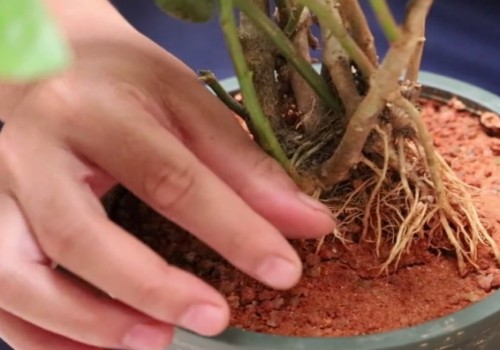
To force jasmine to bloom, we can usually achieve this by means of fertilizing. Because jasmine consumes a large amount of nutrients during its flowering period, it is necessary to apply sufficient fertilizer during this time, especially before flowering, and to prepare enough nutrients so that it can accumulate enough energy to bloom. However, since it can bloom in 3 waves per year, the topdressing before each round of flowering is not exactly the same.
When jasmine's first wave of flowering arrives, we usually follow the principle of "light fertilizer applied frequently"; when the second wave of flowering arrives, we can appropriately increase the amount of fertilizer slightly; but by the last wave of flowering, it is recommended to avoid fertilizing as much as possible. This is because the last wave of flowering occurs in late autumn, when temperatures are relatively low and fertilizing is not suitable, otherwise it can easily cause fertilizer damage and thereby affect the flowering period of the following year.
But even when fertilizing during the first two waves of flowering, it should not be done blindly; it needs to be carried out under certain conditions, and there are requirements for the choice of fertilizer type. Generally, when fertilizing, observe whether the potting soil has cracked or turned white; usually when the potting soil cracks or turns white, it is the best time to fertilize, and it is advisable to apply a dilute organic liquid fertilizer.
For the second fertilization, it is usually decided by observing whether the flower buds have emerged to determine whether it is suitable to fertilize. If flower buds have just formed, then fertilizing at this time can ensure the plant obtains sufficient nutrients to bloom, while also achieving the goal of extending the flowering period, so that we can also enjoy the flowers for a longer time.
For the third time, we generally do not need to fertilize the potted jasmine, mainly to avoid affecting the flowering of the following year; even if the effect of this round of flowering is slightly worse, it does not matter. If a little nutrition must be supplemented, we can apply a little rice husk ash in the pot. This can both supplement a little nutrition and avoid affecting the flowering of the following year.