What are the care tips for strawberries during the flowering period? A detailed guide to fertilizing methods during the flowering and fruiting period
During the flowering and fruiting period, potted strawberries consume a large amount of nutrients to sustain flowering and fruit growth, and since the nutrients in the potting soil are limited after all, they need to be replenished in a timely manner. Only when nutrients are sufficient can normal flowering and fruiting be supported. However, for potted strawberries in the flowering and fruiting period, if nutrients are replenished by way of top dressing, the method must be scientific and reasonable, otherwise it may backfire.
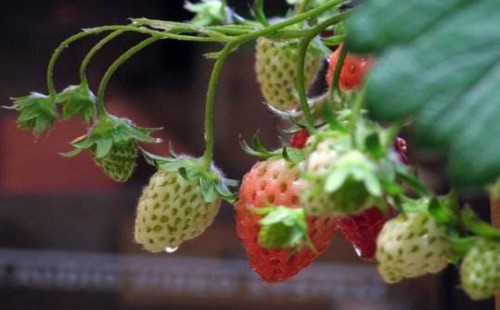
From flowering to fruiting, strawberries go through a continuous process that usually consumes relatively more phosphorus and potassium fertilizer, so these need to be replenished in a timely manner. If a deficiency of phosphorus and potassium fertilizer occurs during the flowering and fruiting period, it often reduces the plant's cold resistance, and the flower buds grow weaker, the number of flowers decreases, and even the taste of the fruit is affected; the fruit also stores poorly and is prone to rotting and spoilage.
It can be seen that fertilizing during the flowering and fruiting period is very important for promoting flowers and preserving fruit, increasing the fruit-setting rate, and reducing deformed fruit; moreover, reasonable top dressing can also make the strawberry fruit color more vivid, although it lowers the sugar content and improves the taste. So how should potted strawberries be fertilized during the flowering and fruiting period? What fertilizer is better to apply?
1. After strawberries enter the flowering and fruiting period, it is advisable to apply a root fertilizer once every 2-3 weeks, mainly to supplement phosphorus and potassium. You can water with an appropriate amount of diluted potassium dihydrogen phosphate solution, or apply self-composted and fully rotted animal bone meal, then dilute it with water at about 100 times, and evenly water it into the soil around the roots of the potted strawberry plants. After applying the liquid fertilizer as a top dressing, it is usually also necessary to promptly water once thoroughly to dilute and dissolve the fertilizer remaining in the soil layer, so that the nutrients are absorbed more fully.
2. At the same time, keep spraying potted strawberries once a week with a 800-times dilution of Xingpeng phosphorus and potassium, or a filtered liquid of calcium phosphate and plant ash diluted 25-30 times with water. Then spray these diluted solutions onto all the flowers, leaves and fruits until water droplets begin to drip off. By spraying foliar fertilizer, phosphorus and potassium can be fully taken in, thereby increasing the phosphorus and potassium nutrient content needed for potted strawberries to flower and fruit, and thus improving the quality of the flowers and fruit.