Snake Plant Growing Environment and Growth Habits
Snake plant is also called tiger skin plant. Because of its high ornamental value and strong air-purifying ability, many plant enthusiasts like to grow it as a potted plant and place it in their homes, making it very practical. However, if we want to grow it well, we must first understand its growing environment. So what kind of growing environment does the snake plant like?
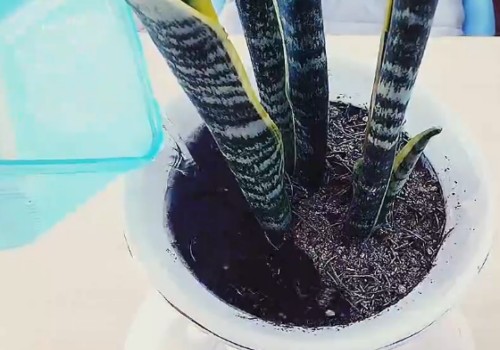
Snake plant relatively likes light, so it should usually be placed in a sunny spot so it can fully receive light. But at the same time, it is also afraid of strong direct light or scorching sun exposure, otherwise the leaves are easily sunburned. Therefore, when the light intensity is too strong, shade it promptly.
And if it is placed in a dark, light-deficient environment for a long time, the plant will also develop yellowing leaves because it cannot carry out photosynthesis normally. However, doing a good job of controlling light alone is not enough to grow it well. We also need to understand and master other environmental factors.
Snake plant likes a warm growing environment, and the most suitable temperature should be kept between 18°C-27°C. When the temperature drops below 13°C, the plant will stop growing. And in winter conditions, if you want to ensure the plant remains safe and sound, you must keep the ambient temperature no lower than 10°C. Otherwise, the plant is prone to rot, and in severe cases it can die.
Now about light: in order not to affect the plant's photosynthesis and at the same time avoid sunburn, it is usually recommended to place the potted plant in a semi-shaded spot so it can receive scattered light. Moreover, as long as the light intensity is not strong and is relatively soft, be sure to let it get more sun, as this can prevent the plant from developing darkened markings and pale leaves.
More importantly, if it has been kept in a relatively poor light environment for a long time, it also cannot be suddenly placed in a stronger light environment, otherwise the plant is also prone to growth problems. After all, the plant also has a process of adapting to receiving light. Of course, it is even less acceptable to let it be exposed to the sun for a long time.
In terms of water management, because snake plant is a desert plant with the characteristic of being drought-tolerant but not water-tolerant, it can usually withstand relatively harsh long-term drought conditions, so it should not be watered too much or too frequently. Generally, wait until the potting soil is completely dry and then water thoroughly. Usually, it is best to keep the potting soil slightly on the dry side. It is better to let it stay dry than to let it be flooded.
In addition, snake plant does not like heavy fertilizer. Usually during the growing season, applying an organic fertilizer with high nitrogen content once every 1-2 months is enough. Make sure the concentration is low and sufficiently diluted, otherwise fertilizer damage will occur and burn the plant's roots. As long as the soil is relatively fertile, it does not matter if no fertilizer is applied for a long time.