How are bass fry cultivated? A detailed explanation of cultivation methods and techniques
Japanese sea bass, currently the main type of bass, is mainly distributed in the coastal waters of China, Japan and Korea. Domestically, the main areas producing sea bass are the East China Sea and the Yellow Sea, and it is a major commercial fish. Bass farming has a long history, and the main cultivated fry types are freshwater fry and saltwater fry. How exactly to cultivate the fry is the main content of this article.
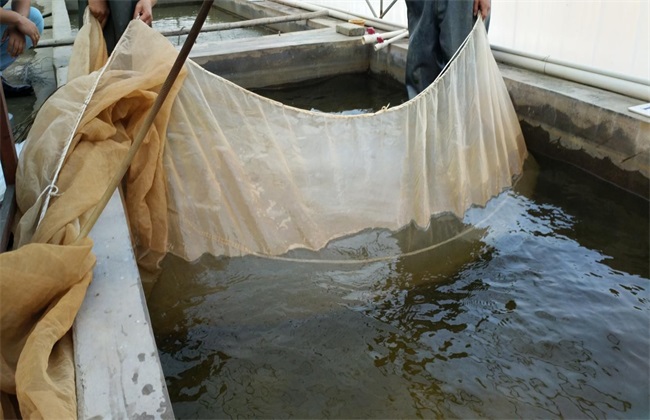
I. Tank cultivation
The nursery tanks can be built on your own; there are no clear regulations on how they must be built. Generally, small tanks are 5 to 50 cubic meters, and large tanks are 50 to 200 cubic meters. The tank depth is about 2.5 m, and the water depth is generally 1.5 to 2 m. Tanks of various shapes can be built. At present, most are circular nursery tanks. Large tanks are suitable for large-scale cultivation, are fast, and can produce a large number in a short time, but they are hard to manage. Small tanks are easy to manage, but less convenient to operate.
II. Pond cultivation
Ponds can be built for cultivation, and ponds are easy to manage centrally. Draining and filling ponds is relatively convenient, and there is no need to change the water tank by tank. The natural environment of a pond is better, and there is some wild feed, which can enrich the diet, while the larger pond space makes the fry more active. The water source is relatively clean, and water can flow through for exchange. The only trouble is when disease becomes widespread.
III. Cage cultivation
Cages of various specifications can be chosen, but cages 3 to 4 m deep are better, and preferably with covers to prevent escape. The cages should be able to be set up in any body of water, including deep sea. Cage cultivation is closer to the natural water environment, so fry cultivation is better and can enhance adaptability and resistance and so on. However, if there are things like tides, attention must be paid.
IV. Precautions
Both the breeding pond and the tank cultivation must be disinfected first. Generally, a large amount of quicklime is dissolved in water and splashed over the whole pond without leaving any dead corners. After soaking in the pond for one week, scrub and wash off the lime, then fill with water before releasing the fry. All fry must be soaked for 10 minutes in a disinfectant such as bleaching powder before entering the water. Also pay attention to temperature adaptation: the transported fry must first adapt to the pond water temperature before being put into the pond.
Bass is an important commercial fish. Before the fry are truly farmed, there is still a fry cultivation period, and there are several cultivation methods determined by the environment, mainly to better cultivate bass and also to provide more choices for cultivation. The cultivation method can be decided according to need.