What are the precautions for transporting ducklings? A must-read for duck farmers
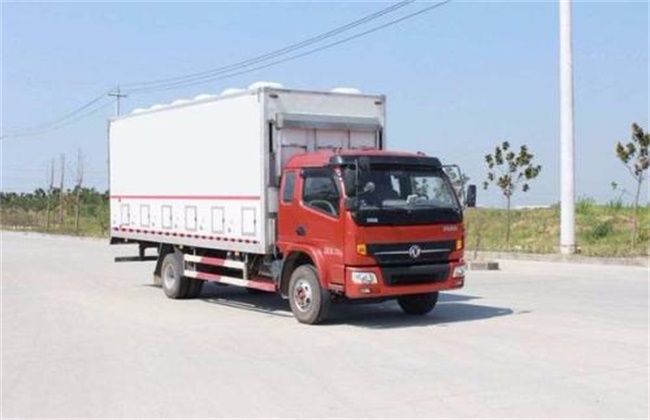
Transporting ducklings is a highly technical task. Newly hatched ducklings have weak resistance to the outside world, so they should be delivered to the brooder house within 36 hours, and for long distances it is best not to exceed 48 hours. If problems arise during transport, it can easily leave ducklings weak and difficult to raise, thereby increasing costs, and in severe cases can even lead to duckling deaths. So what should be noted when transporting ducklings? Let's find out together.
1. Pay attention to the weather
Before transport, pay attention to the weather forecast for the areas along the transport route, so as to avoid bad weather during transport that could bring trouble to the journey. Bad weather can easily affect the ducklings' constitution and survival rate. When bad weather occurs, on the one hand you can readjust the duckling transport plan, and on the other hand take emergency measures and head to the destination as quickly as possible to avoid greater losses.
2. Do a good job of disease prevention
On the one hand, do a good job of cleaning and disinfecting the transport vehicles and cages; on the other hand, find out whether there are epidemic areas along the route. If there are epidemic areas, do not pass through them casually, so that the ducklings do not contract diseases while passing through. Because epidemic areas are not always present, this task is often easily overlooked by farmers, yet it is actually extremely important. If the ducklings unfortunately become infected while passing through an epidemic area, it will bring huge danger to the local breeding industry.
3. Choose healthy ducklings
Choose ducklings with a normal and uniform hatching time; ducklings that hatch early or late are not suitable for selection. Choose ducklings with pure, uniform, clean and glossy down color, uniform size, good yolk absorption, strong struggling when held in the hand, and lively movement. Such ducklings have slightly stronger resistance and a higher survival rate during transport.
4. Ship at the right time
When transporting, choose a suitable time for loading and shipping. In summer, prevent heatstroke; it is best not to drive during the high temperatures at noon, and you can drive at night, early morning or evening instead. In winter and spring, temperatures are lower, so choose weather with higher temperatures for transport, do good warmth-keeping work, and do not let cold wind blow directly on the ducklings, lest they catch a chill and catch cold.
The above is an introduction to the precautions for transporting ducklings. We hope it can help you. To learn more related knowledge, please stay tuned to us.