How to Choose Feed for Raising Sheep? A Detailed Guide to Sheep Feed Selection Methods
Sheep are a major livestock animal. In rural areas, sheep are generally raised by direct grazing, or sometimes grass is cut and brought home for feeding. On the mountain, sheep choose what to eat freely. But if you feed them feed in a pen, what feed should you give them, or what grass should you plant for forage? Besides grass, what other grain crops can be fed? What feed is needed at different growth stages to improve feed conversion efficiency? Let's take a look right away!
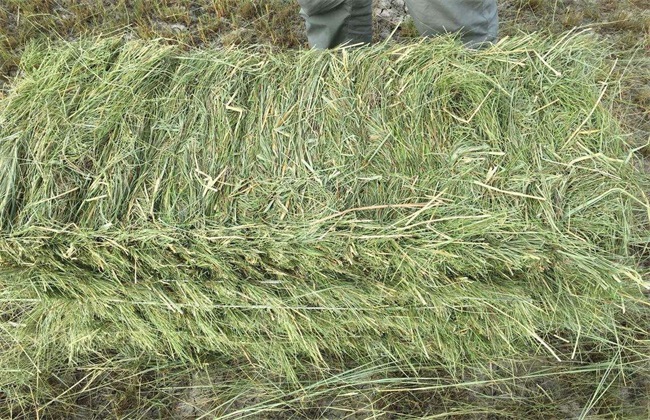
1. Dry feed
Some forage grasses or above-ground parts of grain crops are sun-dried or oven-dried and then stored, to be taken out and fed when needed. Generally there are also corn stalks, wheat stems, sorghum, and other crop straws. After harvest, the dried straw is collected and then crushed for feeding. Note that dry feed must not become moldy. Dry feed is the main feed in autumn and winter, and it is also fed in moderation at ordinary times, because dry feed is mainly dry matter and can supply nutrients quickly. Dry feed is rough, so lambs and pregnant ewes should not be fed it. It is mainly fed to adult non-pregnant sheep.
2. Green feed
Green feed includes fresh green feed such as green forage grass, sweet potato vines, and vegetable leaves. In addition to grazing, forage grass can be planted and harvested for feeding under extreme weather. Sweet potato vines planted in the field can be cut and fed at regular times. Sometimes old vegetable leaves or too many vegetables can also be fed. Generally, when ewes are pregnant, more green feed should be given, and lambs can be fed chopped vegetable leaves. At other times, green feed can be reduced and fed together with dry feed, which can reduce consumption.
3. Concentrate feed
Concentrate feed mainly consists of cornmeal, soybean meal, wheat bran, and some bone meal, protein powder, fish meal, and other nutrient feeds, mixed together into feed formulated for the sheep's growth periods. It is generally fed at fixed times, such as during the fattening period, the lamb growth period, and the ewe pregnancy period. These can provide large amounts of protein and carbohydrates and are the feed that is easiest to absorb and utilize. They can reduce the occurrence of gastrointestinal diseases in sheep.
4. Succulent feed
Feeding freshly harvested sweet potatoes, or carrots, radishes, fresh soybeans, and similar feed is succulent feed. Because it has good water content and good nutrients and is rich in fiber, feeding some at times can improve the sheep's absorption and digestion. For sheep that mainly eat hay for a long time, this can regulate their nutrition. Feeding this kind of feed during the sheep fattening period makes fattening easy. But it must be washed clean and chopped before feeding.
The main feeds for sheep are these four types. You can adjust the feed categories according to the growth cycle, or feed them in combination, and give special feeding during special periods. Pay attention to improving the sheep's gastrointestinal digestion. Do not feed moldy or spoiled feed, and wash, chop, and process it before feeding.