Detailed Explanation of Key Points for Short-Term Fattening Technology for Meat Sheep
Short-term fattening of meat sheep mainly refers to carrying out a rapid fattening process about 3 months or so before the meat sheep are marketed. It is mainly to increase the sheep's body weight, fat deposition and slaughter rate, thereby improving the breeding efficiency of meat sheep. This can also reduce breeding costs, but many people do not know how to do it. So today, the editor brings you the short-term fattening technology for meat sheep. Let's take a look together below!
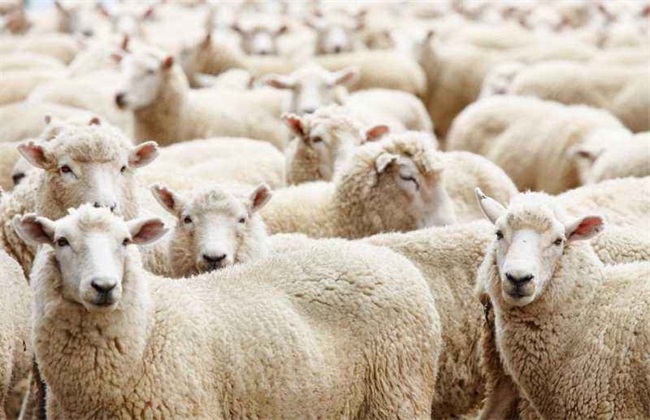
1. Sheep shed preparation
First, we need to prepare the sheep shed. The breeding density of meat sheep is about two sq m per sheep. The sheep shed must ensure good ventilation, a drainage and irrigation system, good lighting and sufficient light. Nearby, there must also be high-quality pasture land and storage areas. After the sheep shed is built, a comprehensive and thorough disinfection of the sheep shed must be carried out. Prepare various breeding equipment, such as water and feed troughs, fans, etc., and after everything is ready. Then introduce breeding stock according to the breeding density, bring the breeding sheep into the sheep shed, and begin fattening.
2. Feed preparation
After preparing the sheep shed, the next step is to do a good job in feed preparation. During the fattening period of the sheep, about 2 kg of hay, or about 4 kg of green feed, should be prepared every day. We must control the daily intake of each sheep and adjust it reasonably according to the type of feed. For example, if it is concentrate feed, then feeding about 1 jin per day is enough. Then it is time to select the fattening sheep. Generally, lambs born in the current year or young sheep are the main choice. If there really are none, then only as a second choice may older sheep or culled sheep be selected.
3. Treatment of fattening sheep
First, we need to carry out deworming work on the fattening sheep, because parasitic infections in sheep are very common. If not handled in time, they will have a great impact on the growth of meat sheep. Then the rams need to be castrated to ensure that the rams have a gentle temperament and to improve meat quality and weight gain speed. If the fattening sheep have a tendency to fight, then dehorning should also be carried out to avoid injuries caused by fighting that reduce the rams' appetite. Finally, during the fattening period, we should regularly weigh them and keep records, so as to intuitively feel the fattening effect and make improvements.
4. Feeding principles
When we raise meat sheep and carry out feed feeding, we must control the ratio of roughage to concentrate feed well. Although sheep have a relatively strong ability to digest roughage, in order to increase the daily weight gain ratio of meat sheep. During feeding, a certain amount of high-energy feed must be provided. Reasonably controlling the ratio of roughage to concentrate feed can not only provide sufficient energy for meat sheep, but also meet the protein needs of meat sheep for growth. Ensure that the rumen can function normally and enhance the physique of meat sheep. Among them, the proportion of concentrate feed should account for 1/3 of the daily ration.
The above is a brief introduction to the short-term fattening technology for meat sheep. Short-term fattening of meat sheep mainly requires good management work to improve the growth capacity of meat sheep. That is all for today's introduction. This article is for reference only, and I hope it can help everyone!