Detailed Explanation of Key Points of Calf Feeding and Management Techniques
The market demand for beef in our country is very large, and there is a relatively large breeding area. When raising cattle, we must reasonably adjust the feeding method according to the growth stage of the cattle. Especially during the calf stage, management must be strengthened, otherwise it will have a great impact on the survival and growth of calves. So how should calves be managed? Below, the editor brings you the key points of calf feeding and management techniques. Let's take a look!
1. Nursing management
Calf nursing management is the first issue we should pay attention to. When nursing calves, we had best use nursing utensils such as nursing bottles. If utensils such as buckets are used for feeding, it is easy for milk to enter the calf's forestomach, causing the milk to ferment in the forestomach and making the calf sick. After feeding the milk, be careful to wipe clean the residual milk around the calf's mouth. Prevent calves from sucking each other, which can lead to inflammation. Then clean and disinfect the nursing utensils properly.
2. Environmental hygiene
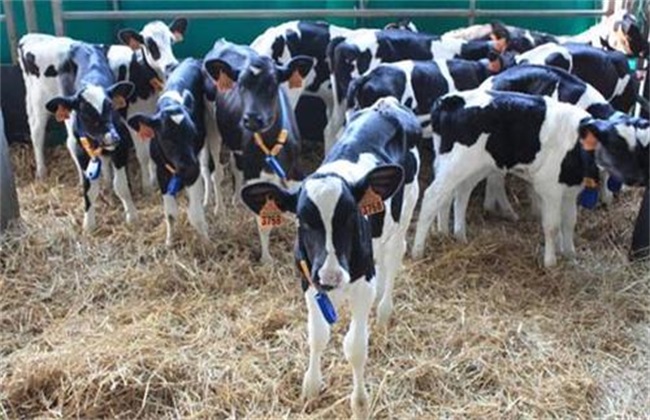
After calves are born, they should be raised separately, and divided into pens at about 12 days, which is convenient for managing and caring for the calves, and can also provide enough growth space for the calves, avoiding the inability to detect diseases in time. After half a month, calves can be raised individually. When raising individually, the sanitation of the cattle pen must be done well, and disinfection should be carried out regularly to avoid the cattle pen being dirty, messy and damp, which would affect the growth of the calves.
3. Strengthen exercise
During the feeding process of calves, attention should be paid to letting the calves exercise more, strengthening the calf's physique, promoting growth, and greatly helping the health of the calves. About one week after the calf is born, when the weather is warm and sunny, let the calf exercise outdoors for about half an hour every day. Then, as the calf grows older, appropriately extend the calf's outdoor exercise time. However, the exercise time should not be at noon under strong light and high temperature, otherwise it will also affect the growth of the calf.
4. Regular wiping
The management of the calf's body hygiene is also an indispensable management task in the feeding process. We should regularly wipe the calf's body, keep the calf's body clean, and promote blood circulation in the calf's body. It can also help the calf develop a good habit, improve disease resistance, and reduce the phenomenon of parasites. Therefore, we should wipe at least once a day. When wiping, pay attention to controlling the strength, and be gentle so that the calf feels comfortable.
5. Health care
During daily management, we should pay attention to observing changes in all aspects of the calf, such as feeding, spirit, activity and feces, so as to judge the calf's condition and take corresponding treatment measures. For example, when a calf has mild diarrhea, the amount of milk fed should be appropriately reduced, and the calf should drink an appropriate amount of warm water. If the diarrhea is relatively severe, then milk feeding should be stopped about two times. Then feed warm water, add an appropriate amount of potassium permanganate and other solutions, to relieve the calf's diarrhea.
The above is a brief introduction to the key points of calf feeding and management techniques. Calf feeding and management work is very important and is closely related to breeding benefits, so everyone must pay more attention. That is all for today's introduction. This article is for reference only, and I hope it can help everyone!