A Detailed Explanation of Common Calf Diseases and Treatment Methods
Calves play a very important role in cattle farming, and calf rearing and management work cannot be ignored. During the calf rearing process, even a little carelessness can lead to various problems in calves, hindering their growth and, in severe cases, even causing death, so everyone must pay close attention. So what common diseases do calves have? And how should they be treated? Below, the editor will give you a brief introduction. Let's take a look together!
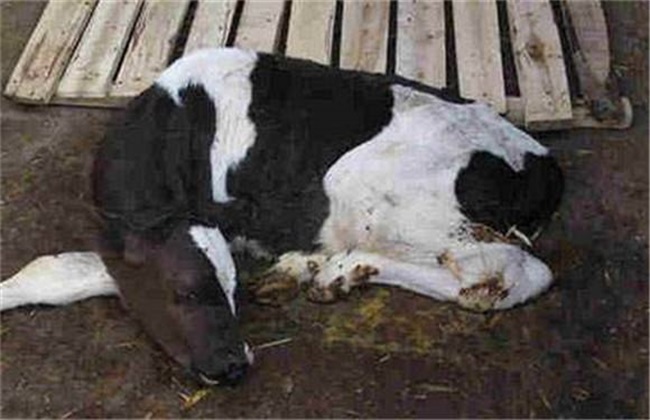
1. Constipation
Constipation generally refers to the phenomenon where a calf has not defecated within one day after birth. If it does not defecate for a long time, it will lead to a reduced feed intake in the calf, a bloated belly, and ultimately death. After constipation occurs in a calf, an enema should be carried out promptly using soapy water. This softens the feces in the belly and promotes the calf to expel them. After the feces are expelled, an appropriate amount of plant meat should be infused into the calf's rectum, or the calf's abdomen should be given a hot compress to keep the abdomen warm, avoiding severe abdominal pain that could cause an excessive stress response in the calf.
2. Suffocation
If a cow has difficulty giving birth during labor, a phenomenon of mucus and amniotic fluid blockage will occur in the cow's body, and the calf will suffocate as a result. If not handled promptly, the calf will die as a result. Therefore, when suffocation occurs, artificial respiration must be performed immediately. First, pull the calf back and forth with its head high and hind legs low to stretch it out, and be sure to wipe clean the amniotic fluid and mucus from the mouth and nose. During artificial respiration, it must be continued until the calf breathes normally before stopping, and you must be patient.
3. Diarrhea
Diarrhea is the most common disease in calves, especially during artificial nursing, where the incidence rate is even higher. If diarrhea occurs but the condition is not very serious, then some substances that promote digestion, such as protease, can be appropriately fed. If the diarrhea is severe, then drugs such as sodium bicarbonate should be used promptly for detoxification. During diarrhea, we must promptly identify the specific cause of the diarrhea. If it is caused by mastitis in the cow, then the cow must also be treated, and the calf should be placed with a healthy cow to suckle breast milk. Note that newborn calves must be fed breast milk for at least 4 days.
4. Omphalitis
Calf omphalitis is the phenomenon of inflammation and swelling around the umbilical opening, and when no other adverse symptoms appear around the calf. If omphalitis occurs, first cut the hair around the umbilical area clean, then disinfect it. Then use injections such as procaine to perform subcutaneous injection around the umbilical opening, and then appropriately apply a mixture such as pine tar oil. If suppuration occurs, promptly squeeze out the pus, and do a good job of cleaning the necrotic part. Disinfect, then bandage the wound.
The above is a brief introduction to common calf diseases and treatment methods. Common calf diseases can cause death if even a little carelessness occurs, so everyone must never be negligent. That is all for today's introduction. This article is for reference only. Thank you for your reading and support.