Key Technical Points for Feeding and Management of Dairy Cows During the Transition Period
Dairy cow farming now covers a relatively large area in China, and when raising dairy cows, we should reasonably adjust the feeding and management methods according to their growth stages. Dairy cows have different management methods at different growth stages, among which feeding and management during the transition period is very important. So how should dairy cows be managed during the transition period? Below, the editor brings you the feeding and management methods for dairy cows during the transition period. Let's take a look!
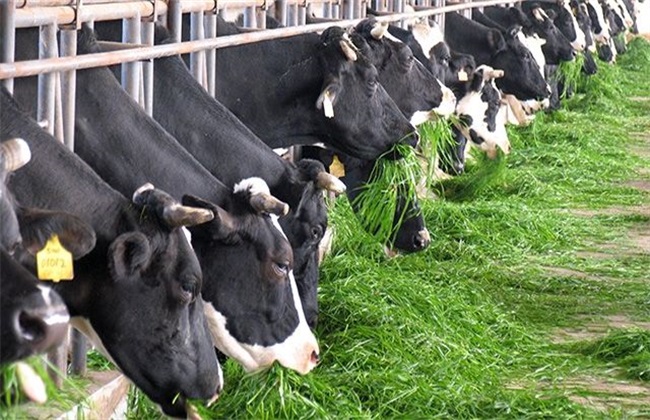
1. Adjust the feeding method
After dairy cows enter the transition period, attention should be paid to controlling the balance between concentrate feed and roughage. The feeding amount of concentrate feed should be controlled at around 4kg/day, though this should still be determined according to the actual growth condition of the dairy cow. Do not feed too much; overfeeding will not only increase farming costs but also cause various adverse phenomena such as difficult calving in dairy cows. Then, about half a month before calving, the amount of salt fed should be reduced to ensure the dairy cow's appetite recovers as quickly as possible after calving. We should also pay attention to reducing the calcium content to promote blood circulation in the dairy cow and avoid postpartum paralysis.
2. Strengthen management
During the transition period, farmers with the means to do so should do a good job in building the calving pen, ensuring a dry, non-humid, well-ventilated and quiet calving pen to help the dairy cow give birth. Before calving, attention should be paid to letting the dairy cow exercise appropriately, and letting the dairy cow give birth naturally as much as possible. If manual assistance is needed, disinfection work must be done well before assisting. After calving, feed the dairy cow some warm brown sugar water, then let the dairy cow stand more to expel the lochia that appears after calving.
3. Postpartum feeding
Within two days after calving, the feed should be appropriately changed, mainly to easily digestible concentrate feed such as cornmeal, combined with an appropriate amount of green grass. If the dairy cow has a retained placenta, then systemic treatment should be carried out on the dairy cow, treating the uterus to prevent complications from affecting the dairy cow's growth. Then we should do a good job in postpartum observation to avoid digestive tract diseases in the dairy cow that affect milk production. And we should prepare well for the dairy cow's breeding work two months after calving to improve the reproduction rate.
4. Control milking
Milking work after calving directly affects the dairy cow's physical recovery and milk yield. Therefore, the milking amount must be scientifically controlled. Usually, on the first day after the dairy cow gives birth, the milking amount should be about 1/3 of normal. Then from the second day onward, the milking amount can be appropriately increased. When the dairy cow's lactation and digestive system gradually return to normal, it can be restored to the normal milking amount. Generally, a dairy cow can return to normal around 4 days after calving. Controlling the milking amount well can reduce the incidence of milk fever and improve milk yield and quality.
The above is a brief introduction to the feeding and management methods for dairy cows during the transition period. Management work during the transition period is very important, and everyone must pay attention to it. That's all for today's introduction. This article is for reference only, and we hope it can help everyone!