Detailed Explanation of Key Points of Beef Cattle Breeding Management Technology
Beef cattle are currently the main producers of commercial beef on the market, primarily raised for beef, and can also be processed into various by-products. There are also many breeds of beef cattle. The most important thing in beef cattle farming is constant observation and carrying out all aspects of breeding management well. Generally, beef cattle management is more detailed. Next, the specific contents of breeding management will be mainly introduced.
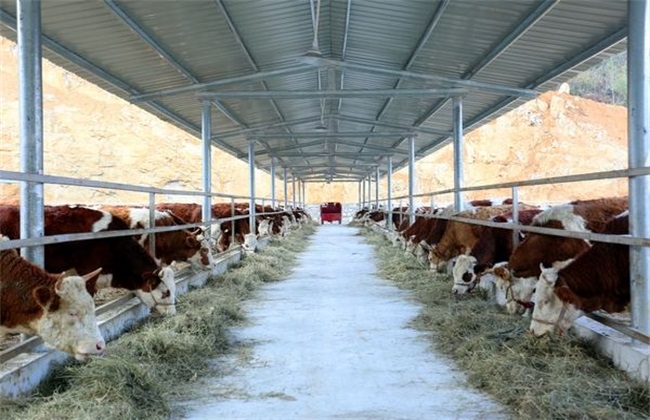
I. Cattle Farm Site Selection
The site chosen for building a cattle farm must be a gently sloping area with relatively high terrain. It is best if the soil environment is dry, with convenient drainage and sewage discharge that will not cause pollution. Then, do not build it in low-lying waterlogged areas or at wind gaps. The soil is required to be sandy loam, which makes it easy to maintain cleanliness and hygiene.
II. Water Quality Requirements
There must be sufficient clean water sources, with no other farms near the water source, or no residents living nearby. After drainage, it will not cause pollution to the water source. The water quality should be clear and clean. Water quality testing must show no pathogenic microorganisms. It is required not to build chicken farms at the source of the water. The water must be treated with disinfection equipment before being drunk.
III. Forage and Green Feed
Near the farm there should be broad, open areas with no tall trees, mainly places rich in grass plants. If there is no grass, there must be space and suitable land for planting grass. This can reduce expenses. In addition, many grain crops can be planted to meet green feed requirements, and the surplus can be made into dry feed for winter feeding.
IV. Epidemic Prevention
In breeding, diseases are prone to occur, so timely prevention must be carried out before diseases occur. Prevention mainly involves vaccination or early medication. In addition, the farm must be kept clean and hygienic to avoid spreading diseases. The farm should be far from roads and away from chemical plants, which can reduce diseases. When diseases occur, medication should be used promptly to control the condition, isolation should be used to prevent contagion, and treatment should continue until full recovery before returning to the herd.
The above are some management contents regarding sheep breeding, all specific and detailed precautions viewed from indirect aspects, as well as necessary conditions. Choosing a suitable place to build a farm is very helpful for feeding and disease prevention.