How to Plant Irises? A Detailed Guide to the Key Points of Iris Cultivation Techniques
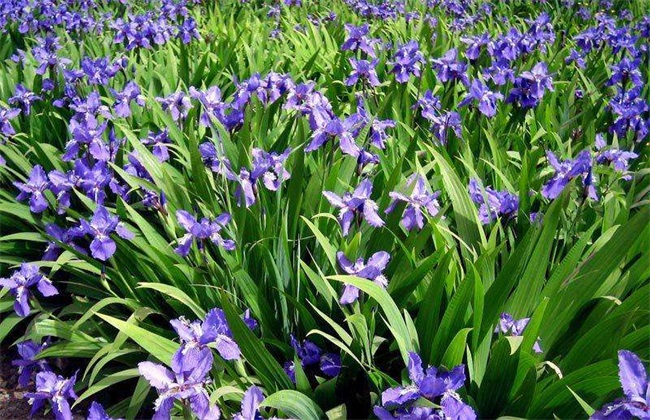
Iris is a perennial herbaceous plant of the family Iridaceae and a common ornamental flower in China, with a very wide distribution across the central and southern parts of the country. Irises not only have extremely high ornamental value, but their rhizomes can also be used to reduce inflammation, and they can even be made into perfume, giving them very high economic value. So how should irises be planted? Below, the editor brings you the key points of iris cultivation techniques. Let's take a look!
1. Soil Selection
There are many ways to plant irises; they can be grown not only in greenhouses but also in open fields. Irises actually have fairly strong growth capacity, and under normal circumstances they can be planted in most soils. However, a good soil structure must still be ensured, such as good drainage and irrigation, strong water and fertilizer retention, and resistance to compaction, which are basic conditions for long-term large-scale iris cultivation. Before planting, we can add an appropriate amount of peat, coarse sand and other materials to the soil to improve it and promote iris growth.
2. Propagation Methods
Irises bloom in spring each year, with a flowering period of about 3 months. Propagation is generally carried out in May by division or sowing; division can also be done in autumn, with division carried out after about 3 years of planting. When cutting the rhizomes, we must ensure that each rhizome piece has at least two adventitious buds to increase the rate of rooting and sprouting. If propagation is done by sowing, then the iris seeds must be sown promptly once they mature. Seedlings grown from seed need at least two years to flower; when planting, the plant and row spacing should be controlled at about 50 cm, with a planting depth of 7 cm, to ensure the growth of the young seedlings.
3. Water and Fertilizer Management
When planting irises, attention should be paid to controlling the amount of watering, keeping the soil moist. The planting plot must have a good drainage and irrigation system so that water can be drained easily during the rainy season or when water accumulates. Irises differ somewhat from other crops in that no base fertilizer should be applied before planting, because it easily raises soil salinity and slows the growth rate of iris roots. Before topdressing, we should test the soil and formulate accordingly, identifying which nutrients the soil lacks so that the corresponding nutrients can be supplemented during topdressing. It should be noted that when fertilizing we must avoid fertilizers containing fluorine, as they can very easily cause irises to die.
4. Disease Control
Disease control is an indispensable management measure when growing irises. Common iris diseases include corm rot and crown rot. During cultivation we should strengthen management, control the temperature and humidity in the field, and disinfect seeds and corms before planting, among other measures, to reduce the level of pathogens in the garden and ensure normal iris growth. When abnormal conditions occur in irises, the cause must be identified promptly, and the corresponding pesticides and treatment methods should be used for control, so as to reduce the affected area and lower losses.
The above is a brief introduction to the key points of iris cultivation techniques. Iris cultivation is actually fairly simple; as long as the basic management work is done well during cultivation, irises can grow normally. That is all for today's introduction. This article is for reference only, and we hope it can help everyone!