Rescue methods after pigs suffer feed poisoning or drug poisoning
When raising pigs, pig farmers can still treat the pigs when they suffer from various diseases, large and small. However, if pigs show signs of poisoning, pig farmers become at a loss and do not know what to do, often missing the best time and suffering economic losses. Below, the editor introduces the rescue and collection methods after pig poisoning, hoping to help you.
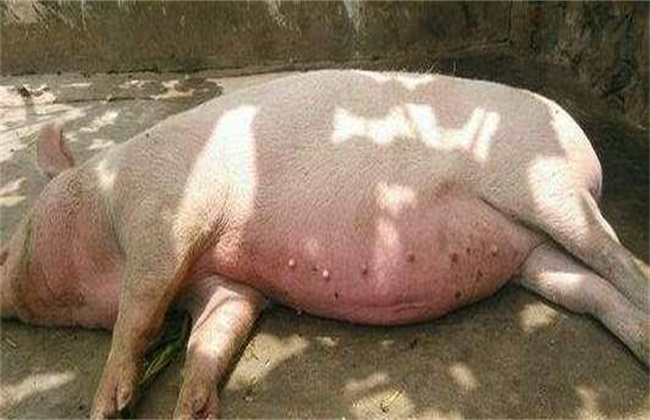
I. Causes of poisoning
Generally, there are three main causes of pig poisoning. One is feed poisoning, such as that caused by feed mildew or mycotoxins. After poisoning, it shows digestive disorders and neurological symptoms, and also causes liver damage. The second is drug poisoning, such as liver and kidney cumulative poisoning caused by excessive use of antibiotics; another is salt poisoning, caused by inaccurate salt measurement making it too high, or mistakenly feeding pickled meat brine, pickled vegetable brine, etc., and poisoning worsens after water is cut off or drinking water is insufficient.
II. Rescue methods
1. Emetic
This method is mainly used for poisoning by drugs such as organophosphorus. Subcutaneous injection of 10 mg of veratrine can be used, or an oral emetic can be given, or a wooden stick and rubber tube can be used to gently wipe the mucous membrane of the throat, which can make the pig vomit and expel the toxins remaining in the stomach and intestines, so as to prevent the poisoning from worsening.
2. Gastric lavage
When pig poisoning is discovered at about 5 hours, when the toxins have also been digested by the stomach, inducing vomiting no longer works, so gastric lavage should be chosen at this time. Different antidotes are chosen for gastric lavage for different toxin poisonings. For hydrocyanic acid poisoning, a 1% potassium permanganate solution or 3% hydrogen peroxide can be chosen for gastric lavage; for organophosphorus poisoning, a 1% sodium bicarbonate solution should be used for gastric lavage; for corrosive drug poisoning, do not perform gastric lavage, as it may cause gastric perforation. In addition, gastric lavage should be repeated until the lavage water becomes clear.
3. Purging
When the toxins enter the intestinal tract, a purgative should be chosen, because most poisons are easily soluble in oil, and oily purgatives can accelerate the body's absorption of toxic substances. Therefore, salt-type purgatives such as Glauber's salt and magnesium sulfate can be used. If salt poisoning and nitrate poisoning occur, a large amount of clean water should be administered by drenching to reduce the concentration.
4. Bloodletting and antidotes
If the poisoning time is too long and the toxins enter the blood, an antidote should be used at this time. For hydrocyanic acid poisoning, sodium nitrite solution can be used for intravenous drip; for organophosphorus pesticide poisoning, atropine should be used as the antidote; for alkali substance poisoning, dilute hydrochloric acid or vinegar can be used as the antidote; for alkaloid poisoning, potassium permanganate should be used for oxidative detoxification. If a large amount of toxins enters the blood, while using the antidote, intravenous bloodletting can be adopted for rescue, about 400 ml each time, and at the same time the pig should be given fluids so that it urinates and sweats as soon as possible, which can also achieve the purpose of detoxification.
The above is an introduction to rescue methods for pig feed poisoning or drug poisoning, hoping to help you. To learn more related knowledge, please follow us.