Analysis of the Causes of Sow Bloat and Prevention and Treatment Methods
Summer is a season of high incidence of diseases in pig farms, and sow bloat is one of the more serious ones. Sow bloat, also known as sudden death in sows, has an extremely high mortality rate, and the disease comes on acutely with a short course. The main symptom is sudden abdominal swelling in the sow, so the optimal treatment window is often missed. So what causes sow bloat? And how should it be prevented and treated? Let's take a look together.
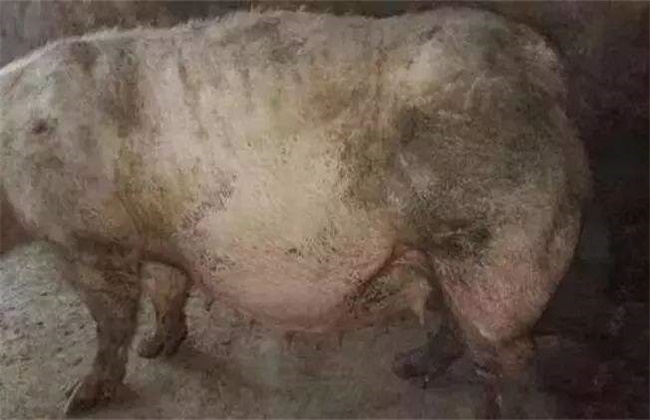
I. Causes of Sow Bloat
1. Indigestion
First, irritation causes gastrointestinal dysfunction. For example, ice-cold water and moldy feed can both cause gastrointestinal disorders in sows, leading to bloating. Second, sows that take in too much dry feed but not enough water have insufficient gastrointestinal motility, which allows anaerobic bacteria to multiply in large numbers and produce large amounts of harmful gases, causing bloating that presses on the heart and lungs, leading to blood circulation disorders and causing the sow to suffocate to death.
2. Pathogenic Bacteria
Red dysentery caused by Clostridium welchii types A and D, and type C bacteria: when feed, temperature or environment change abruptly, the pig's resistance declines, causing an imbalance of the gastrointestinal flora, which allows the Clostridium welchii originally present in the gastrointestinal tract to multiply in large numbers.
3. Intestinal Torsion
Gastroenteritis or colitis, peritonitis, as well as intestinal flora imbalance caused by improper diet, hypokalemia and vitamin B1 deficiency can all lead to gastrointestinal dysfunction, causing gastric torsion and resulting in sow bloat.
II. Prevention Methods
Pregnant and lactating sows should be fed at fixed times and in fixed amounts to avoid overeating and indigestion. The pig house should be kept clean and hygienic, and feed should be stored in a dry place to prevent it from becoming moldy. Increase the sows' exercise and feed more green fodder to promote gastrointestinal motility and reduce the growth of anaerobic bacteria. An appropriate amount of vitamins and probiotics can be added to the feed to improve gastrointestinal digestive capacity and stress resistance. In winter and spring, or when temperatures change frequently, amoxicillin and doxycycline can be added to the feed for seasonal prevention.
III. Treatment Methods
For bloating caused by indigestion, artificial salt, yeast tablets, baking soda or some microecological preparations can be added to the feed, or methacholine chloride can be injected intramuscularly to regulate the gastrointestinal tract and promote digestion; increasing the sow's exercise can also help. For bloating caused by pathogenic bacteria, dimethicone tablets can be given orally to eliminate the foam in the gastrointestinal tract, and medical charcoal tablets can also be taken to speed up gas expulsion; intramuscular injection of ceftiofur sodium at 30mg/kg also gives good results. For bloating caused by gastrointestinal torsion, piglets should be given better care and should not be fed irritating feed. Mild gastrointestinal torsion can recover on its own, while severe cases will die within a short time.
The above is an introduction to the causes of sow bloat and prevention and treatment methods. We hope it can help you. To learn more related knowledge, please stay tuned to us.