Key Technical Points and Methods for Raising Crucian Carp in Rice Paddies
There are many farming models for artificially raising crucian carp, and rice paddy farming is an excellent method that does not affect the growth of rice while improving the environment of the rice field. Crucian carp can eat small insects and plankton in the rice field, which helps reduce insect pests in the paddy. The fish moving through the water benefits the growth of the rice root system. In short, this method is mutually beneficial for both sides. Let's take a look at the specifics together.
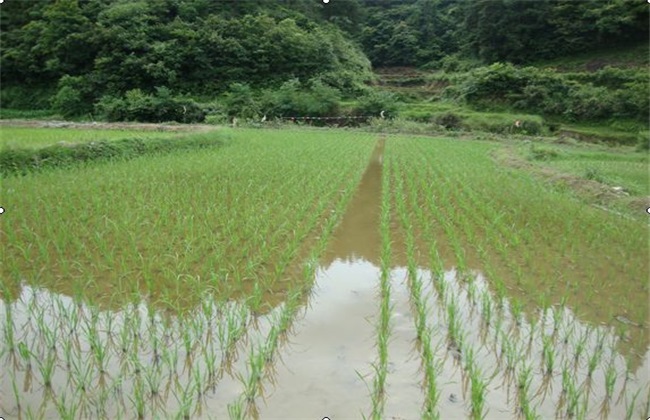
1. Field Selection
Choose an area with abundant water sources and convenient drainage and irrigation. The terrain should not be too high, just above the groundwater level, and not too low, or the fish may be washed away when the water rises. It also should not be too high, as water access is inconvenient and drought is likely. The site should receive ample sunlight, so the water stays warm and the fish grow quickly. The field plot should be within 2 mu, ideally 1 mu. A sandy loam field with good water retention is required.
2. Preparation
Before stocking, reinforce the field ridges by widening and raising them, and if possible plant some grass to secure them, preventing the fish from escaping or the ridges from being washed out by heavy rain. Reinforcement can mean raising them by 60 cm and widening them by 10 cm. Filling with water to 40 cm is enough for good farming. Cover the water inlet and outlet with mesh to prevent escape, then dig fish pits to leave activity space; the fish pit should be above the water inlet, 2 m wide and 1 m deep. Fish trenches run around the field, about 30 cm wide and 40 cm deep.
3. Releasing the Fry
Release the fry in mid-May, after the rice has grown steadily, so it does not affect rice growth. Choose fry that are about two fingers wide, around 6 cm long, somewhat larger than those for pond farming because the rice paddy farming period is shorter. When buying the seedlings, let them adapt to the temperature first before putting them into the field.
4. Feeding
Feeding only on plankton in the water is not enough to meet the fish's nutritional needs for growth, so feed must be given on a regular schedule. Mainly feed a mixture of cornmeal, soybean meal, wheat bran, soybean residue and other grain crops made into small pellets; after mixing with water it should be able to be squeezed into a ball that will not scatter too quickly in water. Generally feed once or twice a day, with clean, mold-free feed. The feeding amount should be about what the fish can finish in two hours.
The general process for raising crucian carp in rice paddies is as described above. It mainly involves choosing a suitable field, carrying out preparation work, releasing the crucian carp fry and then starting the farming, with daily feeding to ensure the crucian carp's nutritional growth in the field and maintain healthy growth. But the whole process must not cause loss to the rice; it should achieve a mutually beneficial result.