Key Technical Points and Precautions for Disease Prevention Management in Rex Rabbits
The Rex rabbit is a common breed in rabbit farming today and is mainly raised for fur production. Disease prevention work is essential when raising Rex rabbits, because they are also susceptible to several common diseases, which can lead to certain losses. Before diseases occur, you should have a clear understanding of which common diseases exist, which vaccinations should be given, and which medications should be used preventively. The most important thing is to do a good job of cleaning and disinfection in daily practice. Now let us take a closer look.
I. Cleaning and Disinfection
First, keep the housing and cages clean. This mainly means daily removal of rabbit droppings, leftover food scraps, shed fur and other waste, followed by washing and disinfecting all feeding and drinking utensils. Finally, disinfect the rabbits once a week and disinfect the entire environment once every two weeks. The forage and feed given to the rabbits must be clean and free of mold.
II. Common Diseases
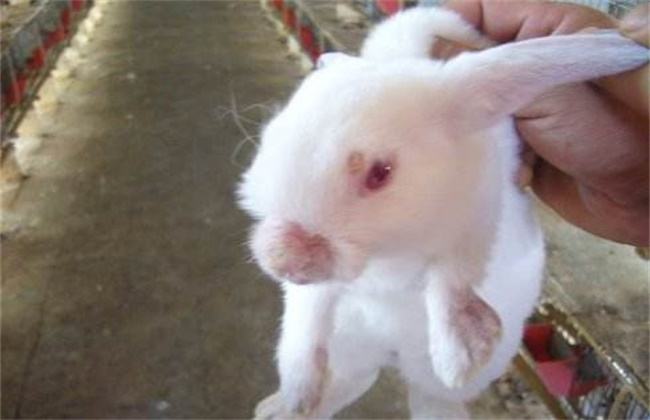
Rabbit viral hemorrhagic disease is a viral hemorrhagic illness, an acute febrile infectious disease with rapid onset. After onset, symptoms include rapid breathing, fever, and death from septicemia. It affects adult rabbits, has a rapid onset, and causes high mortality. Rabbit pasteurellosis is a common infectious disease presenting with pneumonia, septicemia, rhinitis, conjunctivitis and similar signs, and it is harmful regardless of the rabbit's size. Coccidiosis is a relatively threatening parasitic disease that causes convulsions, diarrhea and emaciation. Sometimes it leads to rapid death, and sometimes death is prolonged. It mainly infects young rabbits.
III. Vaccination and Prevention
At 7 days after birth, administer chloramphenicol nasal drops for about three consecutive days, 2 drops each time. Give another round half a month later. At around 20 days after birth, inject 1 mL of Bordetella bronchiseptica and Brucella vaccine, then inject again one week later, this time adding 1 mL to the dose. At 18 days after birth, feed olaquindox to prevent gastroenteritis, and at 22 days after birth, inject 2 mL of pasteurella vaccine. At weaning, inject 1 mL of rabbit viral hemorrhagic disease vaccine, and 10 days later inject 2 mL of the triple vaccine. To prevent coccidiosis, add rabbit coccidiosis fast-kill to the feed at weaning, and feeding it for about one and a half months is sufficient.
IV. Drug Prevention and Treatment
For rabbit viral hemorrhagic disease, hyperimmune serum is mainly used to treat early-stage illness; for severe cases, there is no clearly effective drug, and prevention mainly relies on vaccination. Boiling water can be used to clean the cages. For preventing rabbit pasteurellosis, vaccination is also the better option. For coccidiosis, drugs such as coccidiostat and rabbit coccidiosis remedy can also be used.
The above are several common diseases of Rex rabbits and their prevention methods, along with some specific prevention and treatment methods. This mainly covers disease prevention for Rex rabbits, with several common diseases as the main targets of prevention. The prerequisite for disease prevention is maintaining a clean basic environment to reduce the possibility of bacteria, viruses and parasites occurring.