What to Do About Stress in Meat Ducks? Detailed Explanation of Key Rearing Techniques
In meat duck farming, disorders of body functions often occur due to environmental influences. The main influencing factors are light, water, nutrition and temperature. When these factors fail to meet the growth requirements of the ducks, problems arise, possibly including slow growth, refusal to eat, weight loss, and even death. Now let us look together at the specific effects of each factor and what conditions should be met.
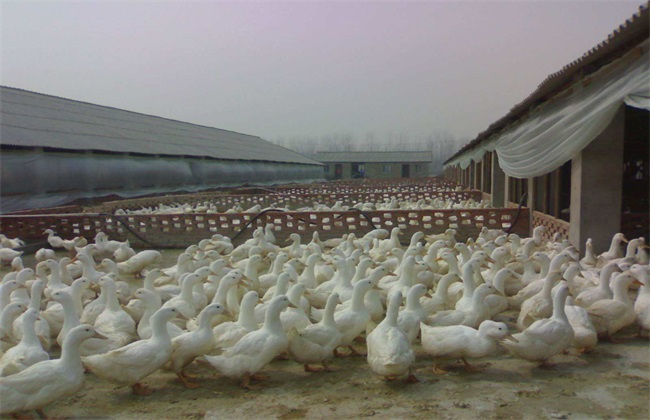
I. Creating the Environment
First, pay attention to ventilation in summer, add a few more exhaust fans, and ensure the greenhouse is built with good ventilation and air permeability, opening more windows. Direct sunlight should not shine into the interior, and in areas with excessively high temperatures, fans should also be installed for cooling. The duck house should not be built too long and narrow; it should be wider. In addition, it can be built in a high and dry area. It is best to have shade barriers around it.
II. Preventive Measures
Feed some natural feed; do not feed processed commercial concentrated feed. Pay attention to observing whether the ducks refuse to eat or peck at feathers. If so, promptly find the cause and adjust the environment; it can be gradually improved appropriately and then return to normal. If feather pecking is found, add 0.4% methionine and feed it for a few days. Crude fiber can also be added, and 1% raw gypsum powder can prevent feather pecking. When the temperature changes abruptly, promptly add vitamin C, feeding it at 100 mg per kilogram. Or feed fresh vegetables and malt and the like to supplement vitamins and fiber.
III. Nutritional Adjustment
At high temperatures in summer, feed intake declines, so the feed must be adjusted. Generally, the protein content should be lowered, and fat and 0.2% rapeseed oil should be increased to supplement energy and cellulose. All kinds of vitamins should be added at double the amount. This can improve the nutritional conditions of meat ducks, supplement nutrition and strengthen their constitution, thereby reducing stress reactions.
IV. Effects of Light and Water
Direct light, or prolonged strong light exposure, will cause the environmental temperature to rise rapidly and substantially. The ducks may then be unable to withstand the high temperature and show some stress reactions, affecting growth. Or, if the light is too strong and unsuitable for going out to range, the ducks will be listless and in poor condition, affecting feed intake. At this time, water must not be lacking; a large amount of water needs to be supplied to relieve these symptoms. A little baking soda can be added to the water to supplement electrolytes.
During meat duck rearing, exposure to some extreme factors can cause disorders of body functions, which then lead to stress reactions. This affects the growth of meat ducks. Therefore, measures must be taken to improve the environment, prevent stress reactions, and keep growth healthy and normal.