Key Points and Methods of Beef Cattle Feeding Technology Explained
The main task in raising beef cattle is feeding, and feeding is the main work of husbandry. Feeding should be carried out according to different growth stages and different developmental periods, as well as the breed of cattle and the characteristics of the food they eat. In addition, the most important thing for beef cattle is still the fattening task, which is mainly about increasing weight. Also, feeding requires attention to cleanliness and disease prevention, and sometimes it is also necessary to use feeding methods for disease prevention and deworming. Next, let us take a look at the feeding methods for beef cattle.
I. Nutritional Requirements
A beef cattle needs about 2.3% dry matter per day, 0.8 grams of protein, a relatively large amount of energy, calcium, and about 15 grams of phosphorus. In a day, it is roughly fed 6 jin of hay, 6 jin of straw-type feed, 3 jin of concentrated feed, 0.05 kg of salt, 8 jin of green feed, and about 2 jin of cornmeal. They are mixed together for consumption. Green feed can be fed separately.
II. Feeding Management
Beef cattle mainly eat green feed, roughage, and dry feed. Therefore, the main thing is that long-term grazing is better, allowing the cattle to feed freely. Grass can also be cut and fed on rainy and snowy days. The grazing period is mainly during the fattening period, roughly between May and October. The main thing is to follow and observe which grasses the cattle mainly eat, so that more of these forage grasses can be planted. It is also necessary to observe the condition of the cattle. Only 2 jin of concentrated feed needs to be fed each day.
III. Green Feed Feeding
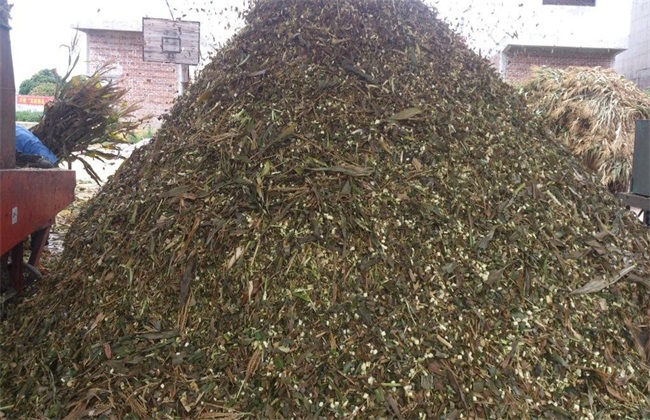
The main food of beef cattle is green feed, but as far as possible a variety of green feeds should be provided, and long-term single green feed feeding should be avoided, because some green feeds are relatively rich in nutrients while some are relatively simple, and the nutrients differ, so nutrition should be balanced. The forage grasses consumed include high-quality grasses such as ryegrass and Sudan grass, and the straws mainly include corn stalks, rice straw, sweet potato vines, and vegetable vines. Commonly used concentrated feeds can include cornmeal, peanut cake, soybean meal, wheat bran, and so on. Forage grass can be harvested and fed multiple times, straw can be dried and stored for consumption in winter, and concentrated feed can be processed at any time.
IV. Concentrated Feed Feeding
When feeding roughage and green feed, the feed must be washed clean, or dried and disinfected, and generally should be chopped up a bit before feeding, as this makes it easier to digest. Also, concentrated feed needs salt added, roughage can be fermented before feeding, and green feed should be washed clean and fed after being stored in a silo. The consumption of concentrated feed should be fed according to the differences among cattle. After a cow has been pregnant for two months, feed 50 grams of bone meal and 30 grams of salt. Within two months after giving birth, feed 60 grams of bone meal and 50 grams of salt each day. Relatively thin and weak cattle should be fed 1 jin of concentrated feed each day.
The main goal of beef cattle farming is fattening and weight gain, but a healthy growth and development state must be maintained, so regarding the different feeding periods, the feed has its own feeding amount and should be reasonably allocated. In addition, attention should be paid to reasonably handling the feed, keeping it clean, preventing mold, and ensuring it is nutritious. Feeding beef cattle in this way is relatively good.