Detailed Explanation of Key Technical Points for Brooding and Rearing Management of Chicks
Brooding chicks refers to chicks within one and a half months after hatching. During this period, the chicks' constitution is very weak, and their growth capacity is relatively poor. Therefore, during the brooding period, we must do a good job in management. Improve the survival rate of chicks, promote normal growth, ensure normal body weight, and improve uniformity. So how should brooding chicks be managed? Below, the editor brings you the feeding and management techniques for brooding chicks. Let's take a look together!
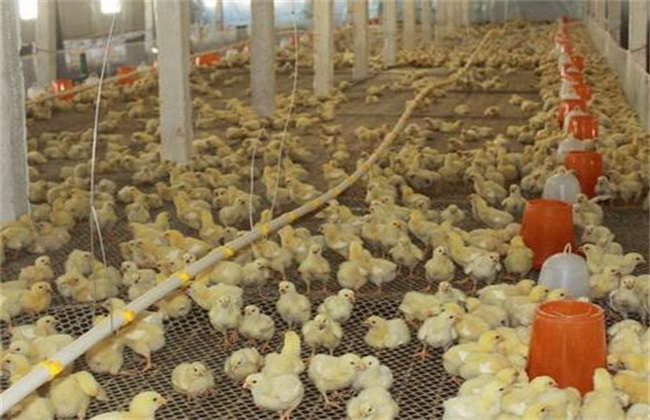
1. Drinking Water and First Feeding
After the chicks are transported to the destination, they should be allowed to drink water appropriately. If the transport distance is long, the chicks should be allowed to rest properly before drinking water. For the first drinking, it is best to give brown sugar water or glucose water. Combine with injections such as Qitianle for about 4 days of drinking water to promote the absorption of the yolk in the chicks. Then after drinking water, a first feeding session should be carried out, usually 3 hours after the first drinking. When feeding, pay attention to keeping a relatively large difference between the feed and the rearing environment, to help the chicks distinguish the food and eat normally.
2. Disinfection of the Brooding House
After the chicks are transferred, the brooding house should be disinfected. The rearing equipment in the house should be comprehensively cleaned and disinfected. After disinfection, leave the house empty for about half a month. If conditions permit, use a high-pressure water gun to rinse from top to bottom and from inside to outside, then use a flame sprayer to burn the walls, floor, and so on in the same order. If fumigation disinfection is used, then the chicken house must be kept sealed, add an appropriate amount of potassium permanganate to formalin, then use it inside the house. After about a day, open the doors and windows for ventilation to release the smell. Finally, before introducing the chicks, we should do a good job in temperature testing, adjust the temperature to about 35 degrees, and observe whether the temperature is stable and whether it can meet the requirements of brooding.
3. Lighting and Ventilation
Lighting is very important for the growth of chicks. It can not only promote the sexual maturity of laying hens, but also have a sterilizing effect on the chicken house. Therefore, during the first three days of brooding, maintain about 23 hours of lighting per day, and then from the fourth day to the second week, maintain about 18 hours of lighting per day. Then reduce it by about two hours each week until natural lighting. We must also ensure that the chicken house has good ventilation, promoting consistent airflow speed. Avoid drafts, cross-ventilation, and so on. This is especially important to pay attention to in high-density farming.
4. Beak Trimming and Grouping
When the chicks have grown to about one week old, we should carry out beak trimming on the chicks. Keep half of the upper beak and 2/3 of the lower beak. After beak trimming, cauterize the wound to promote scabbing of the capillaries and avoid wound infection. When cauterizing, also pay attention to prevent injuring the chicks' bodies and causing stress reactions. Then we should weigh the chicks regularly to check the average body weight. If the average body weight has not reached the standard, then they should be raised separately and appropriately supplemented with substances such as vitamin C to promote growth.
The above is a brief introduction to the feeding and management techniques for brooding chicks. The quality of brooding chick management directly affects yield and quality, so everyone must pay close attention to it. That is all for today's introduction. This article is for reference only, and we hope it can help everyone!