What are the symptoms of bovine ephemeral fever? How is it treated?
The beef market in China is relatively large, and cattle are also a major livestock species in China, with some farming area in all parts of the country. Although cattle farming has a history of several thousand years in China, and farming techniques are becoming more and more mature, cattle can still develop various diseases during growth. One of these is ephemeral fever. So what symptoms does bovine ephemeral fever cause? And how should we treat it? Let's take a look together below!
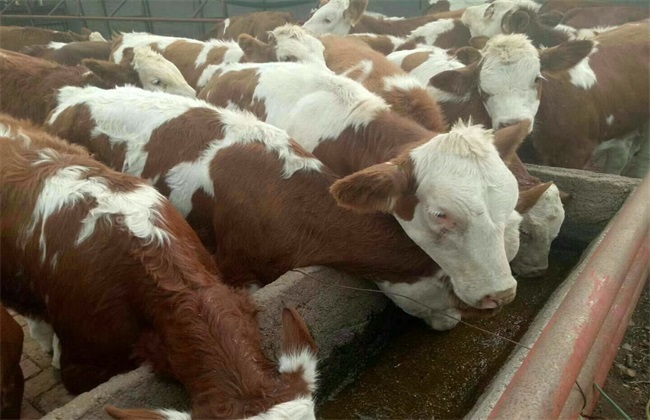
1. Epidemiology
Ephemeral fever has strong infectivity for all types of cattle, and generally the highest incidence occurs in 4-year-old dairy cattle, yellow cattle and others. Sick cattle are the main source of transmission of the ephemeral fever virus. Although the main transmission route of ephemeral fever is not yet very certain, air, mosquitoes and insects, and contact with diseased livestock are all possible ways of spreading the pathogen. The onset of ephemeral fever is generally concentrated in high-temperature, high-humidity seasons such as July-August. The speed of spread is extremely fast, and a large number of cattle can be affected in a short time. And according to past data, the epidemic cycle is about once every 4 years. However, the disease is mostly benign, so the mortality rate is not very high.
2. Symptoms
The incubation period of ephemeral fever is about 5 days. In the early stage of onset, sick cattle appear trembling and shivering, and body temperature rises rapidly to 40 degrees; as it rises, the cattle also show tearing. If breathing is rapid and accompanied by groaning, it indicates emphysema has been triggered, and in severe cases it can lead to suffocation. The appetite of sick cattle will also decrease because of this, they stop ruminating, have difficulty walking, and are unwilling to move. Subcutaneous emphysema, foam at the mouth and other phenomena can also be observed. Pregnant cattle may abort or deliver stillborn fetuses. However, the mortality rate of ephemeral fever is less than 1%, and in severe cases it is also because some sick cattle cannot walk due to limb pain and are culled.
3. Preventive measures
When farming, we must strengthen management and do a good job in disinfection and sanitation of the cattle shed. Cut off the transmission routes of the virus, because what is currently understood is that the main transmission routes of ephemeral fever include mosquitoes and flies. Therefore, during farming we must regularly kill mosquitoes, use pesticides such as trichlorfon to spray the cattle shed and surrounding environment thoroughly and evenly, and kill mosquito and fly eggs. Moreover, ephemeral fever also has the characteristic of being afraid of acid and being very insensitive to alkali. So we can also use acidic agents such as peracetic acid to splash on the ground to inhibit the spread of the virus.
4. Prevention and treatment methods
As just mentioned, strengthening management is the main preventive measure. If management is improper, it will increase the mortality rate. Sick cattle should be immediately isolated from the cattle shed, and then cattle that have not yet become ill should be injected with vaccines such as bovine foot-and-mouth hyperimmune serum to avoid expanding the affected area. When the body temperature of sick cattle rises, an appropriate amount of compound aminopyrine and similar agents should be injected into the muscle. If the onset is relatively severe, then antibiotics should be injected, maintaining a large dosage. If the cattle become dehydrated due to high fever, then an appropriate amount of normal saline should be administered. Finally, disinfection work should be done well, and cattle should be regularly vaccinated.
The above is a brief introduction to the symptoms and treatment methods of bovine ephemeral fever. When raising cattle, we should not only pay attention to the prevention and treatment of ephemeral fever, but also colds, foot-and-mouth disease and others are things we cannot ignore, so everyone must pay more attention. That is all for today's introduction. This article is for reference only. Thank you for reading and your support.