Detailed Explanation of the Key Points of Boer Goat Feeding and Management Techniques
The Boer goat is a major goat breed in our country, with a very wide breeding area in China. The current market demand for Boer goats is very large, so more and more people are raising them. When raising Boer goats, feeding and management work is very important. So how exactly should Boer goats be raised? Below, the editor brings you the feeding and management techniques for Boer goats. Let's take a look!
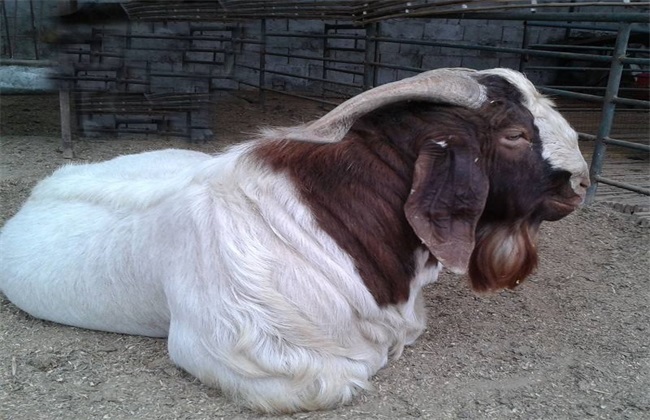
1. Feed Management
The first thing in raising Boer goats is to do a good job in feed management. Boer goats are relatively large in size, so they have strong growth capacity. Therefore, when raising them, they cannot be fed according to the feeding methods for domestic goats. In winter and spring, when forage resources are relatively scarce, attention should be paid to supplementing Boer goats with good concentrate feed, such as wheat bran and corn. Then in winter, sufficient coarse feed such as corn stalks should be prepared to ensure that Boer goats have enough feed during the overwintering period. When feeding, we should pay attention to controlling the feed ratio well and properly allocate concentrate feed, coarse feed, green feed, etc., with the aim of improving feed utilization and conversion rate.
2. Grazing and Feeding
Grazing and feeding of Boer goats is also very crucial, and each season should have a reasonable grazing method. For example, in spring, because they have gone through the winter dry grass period, Boer goats are obviously in poor body condition and have a relatively large demand for forage, making them very prone to overgrazing on green grass and developing diarrhea. Therefore, when grazing in spring, we must pay attention to ensuring that the grassland is sufficiently clean and pollution-free. Moreover, the temperature in spring is relatively low, and there is more dew in the morning, so the goats must not be allowed to eat dew-covered grass, otherwise it can easily cause diarrhea in the goats. Therefore, we should make reasonable adjustments according to the different characteristics of each season to ensure the normal growth of Boer goats.
3. Management During the Breeding Period
During the breeding period, stud rams must be ensured to have a strong body and great vitality, and must not be too fat in body condition. The rams should be allowed to exercise appropriately more. Each goat should be supplemented with about 1 kg of concentrate feed per day. If the number of breeding sessions is high, then some eggs can be appropriately fed. Four weeks before breeding, attention should be paid to checking the quality of the rams. During the breeding period, semen can be collected at most about 4 times per day. For ewes, good feed should be maintained to supplement the nutrients lost due to pregnancy and lactation and to enhance reproductive capacity. Finally, during pregnancy, they must not be driven hastily or caught without reason, to prevent pregnant ewes from miscarrying.
4. Pen Management
Goat pens should be disinfected well to ensure they are clean and hygienic. During high temperatures in summer, ventilation should be done well to lower the temperature inside the goat shed. Similarly, in winter, warmth measures should be taken well to keep the goat shed warm and dry. Deworming should be carried out every year in spring and autumn. If conditions permit, insulated boxes should be prepared for lambs to improve the survival rate of lambs. Then the excrement in the pens should be cleaned regularly to avoid breeding bacteria and affecting the growth of Boer goats.
The above is a brief introduction to Boer goat feeding and management techniques. The management work for Boer goats is very important, and everyone must pay close attention to it when raising them. That is all for today's introduction. This article is for reference only, and we hope it can help everyone!