What are the requirements of duck farming regarding the growing environment?
Raising ducks requires creating an environment suited to their growth, so that the ducks can grow healthily and strongly. The factors that affect the farming environment include light, temperature, humidity, air, and the hygiene of the duck house. These make up whether the environment is good or bad. Generally, ducks have their own specific requirements for these factors, so the most suitable growing environment should be created as much as possible according to the growth characteristics of the ducks. So next, let us look at what the best environmental factors for raising ducks are like.
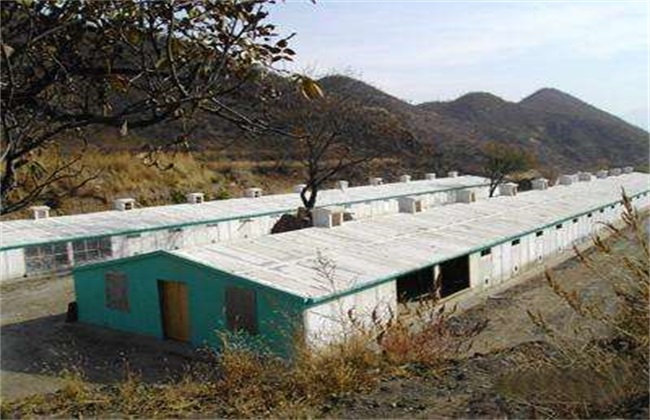
1. Temperature
Within 3 days after ducklings are born, keep the temperature at 28 to 30 degrees; three days later, within one week, keep it at 24 to 27 degrees; one week later to two weeks, keep it at 20 to 23 degrees; afterward, gradually lower the temperature to normal temperature. During the laying period, the ducks should be appropriately warmed, and generally they can be warmed separately to between 25 and 30 degrees. Usually, it is best to keep the duck house at a temperature above 20 degrees and below 25 degrees; in winter, heating is needed when the temperature is below 10 degrees, and in summer, when the temperature is above 35 degrees, ventilation and heat dissipation should be carried out in time.
2. Humidity
Newly hatched ducklings do not need too high humidity; it is fine as long as the air humidity is kept at around 50% and not dry, as this helps with heat preservation and promotes full feather growth. After the brooding period, some air humidity can be increased, and around 60% is very good, as this helps the ducks breathe oxygen. In summer, air humidity should be reduced, as it makes disease easy to occur. In winter, humidity should be increased to prevent excessive dryness from being harmful to the respiratory tract.
3. Light
Ducklings being brooded cannot go outside and must receive artificial light. Generally, they need light during the day, about 11 hours of light, and the lights are turned off at night. After normal farming begins, they can often be taken out for free-range rearing, so they can receive natural light, supplement calcium, strengthen the ducks' bones, and prevent the occurrence of weak legs.
4. Air
The duck house must have ventilation and also needs windows opened, so as to ensure the air quality inside the duck house. Because of duck excrement and limited space, the air often becomes turbid, and the space has an unpleasant pungent smell, so it is best to ventilate at regular times to ensure good air, ensure oxygen supply, and expel excess carbon dioxide from the house.
5. Hygiene
The duck house where the ducks live must be cleaned every day and rinsed at regular times to keep it clean. Fine sand can be spread on the ground, which can keep the duck house dry and make cleaning convenient, but the sand must be replaced once after a period of time. In addition, the activity area where the ducks live must also be cleaned at regular times. After the duck house is cleaned, it needs to be disinfected. Utensils such as feed troughs in the duck house must be frequently washed and disinfected. Excrement must be piled up and composted to decompose, and chemicals can be spread to kill insects and bacteria so it can be used as fertilizer.
Ducks also have their own needs for the living environment during growth. Only by meeting such needs can the ducks be guaranteed to grow well. On a farm, if the farming area is not too large and there are enough management personnel, more refined management can be carried out and a better growing environment can be provided, which can ensure benefits.