What are the common problems in raising pigs in summer? This article helps you answer
As temperatures gradually rise now, it also means summer is approaching. Summer can have a great impact on pig growth, and various problems can arise with even slight mismanagement. It seriously affects pigs' weight gain, reduces breeding benefits, and in severe cases can even lead to pig death. So what problems are there in raising pigs in summer? Below, the editor brings you several common problems in summer pig raising. Let's take a look!
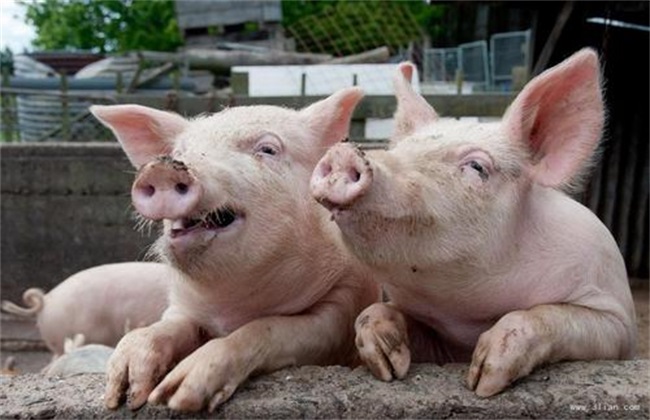
1. Heat stress
If heat prevention work is not done well when raising pigs in summer, pigs are very prone to heat stress. Heat stress can cause endocrine disorders in pigs, disruption of various hormones, and reduced metabolism, affecting pigs' weight gain. It also disrupts pigs' body temperature regulation balance and lowers their immunity. It makes them highly prone to various diseases of the digestive tract, respiratory tract, and so on. It reduces boars' libido and semen quality, and sows may experience stillbirth, miscarriage, and various other phenomena. Therefore, in summer we must do a good job of ventilation and cooling to prevent pigs from developing heat stress.
2. The pig house is too smelly
An overly smelly pig house is a very common problem in most pig houses in summer, because in the high-temperature environment of summer, pig excrement ferments quickly and easily becomes smelly, reducing the air quality in the pig house and affecting pig growth. It also breeds many pathogens as well as mosquitoes and flies, making the pig house environment very poor. Disease prevention becomes difficult, causing greater harm to pigs. So when raising pigs in summer, we must pay attention to doing a good job of disinfection, ventilate appropriately, remove pig manure regularly, and deodorize. During disinfection, attention should be paid to disinfecting empty pens, using disinfectants with a wide range of applications such as chlorine preparations, to ensure the pig house is sufficiently clean.
3. Decreased feed intake in pigs
High temperatures in summer have a great impact on pigs' appetite and reduce their feed intake. This is because the body heat produced when pigs eat is a signal for pigs to regulate feed intake. When the temperature rises, pigs are in a state of heat stress, so pigs reduce feed intake in order to reduce heat increment. Moreover, heat stress prompts pigs to drink more water, and the urine output of pigs will naturally increase as well. Therefore, it causes excessive loss of electrolytes in pigs and ion pump disorders. This results in a negative correlation between feed intake and water intake in pigs. So in summer everyone must reasonably adjust the feed, improve pigs' appetite, and ensure pigs can grow healthily.
4. Reduced milk supply
In the high-temperature environment of summer, the body temperature of sows is relatively high. Therefore, blood is sent to the skin for heat dissipation, so the blood entering the udder decreases, and nutrition is therefore insufficient, leading to reduced milk supply in sows. When milk supply is insufficient, piglets keep suckling because they cannot get enough to eat. This leads to black rings appearing around the sow's udder, and piglets' heads become stained with black marks because of the sow's high fat content. So in summer we should pay attention to doing a good job of artificial supplementary feeding for piglets to ensure healthy growth of piglets.
The above is a brief introduction to the common problems in summer pig raising. There are a great many common problems in summer pig raising, such as heatstroke and unclear estrus, among others. They are all caused by high temperatures, so we must pay attention to doing a good job of cooling to ensure normal growth of sows. That is all for today's introduction. This article is for reference only, and I hope it can help everyone!