How to reduce the impact of high temperatures on pigs in summer
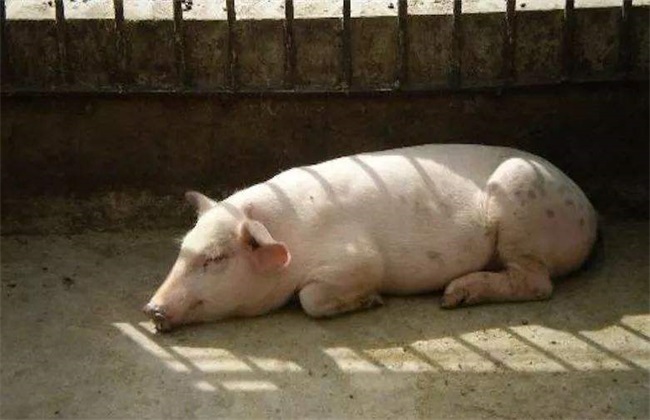
The high-temperature environment of summer is a very critical management stage for farming, especially for pig farming. When raising pigs, if the temperature is too high, it can very easily cause heat stress in the pigs, seriously affecting their growth. Therefore, after entering summer, we must do a good job of management to reduce the impact of summer high temperatures on pigs as much as possible. So how exactly should it be done? Let's take a look together below!
1. Adjust feeding
When the temperature is too high in summer, it will have a certain impact on the appetite of pigs, reducing their feed intake and affecting their weight gain. Therefore, in summer we should pay attention to properly adjusting the feeding method for pigs. We can add some substances with high protein content, such as soybean meal, to the feed, and then add some oil and lysine. This ensures that the pigs' daily nutritional needs are met. Then we should also pay attention to changing the feeding time, and not feed at noon. Mainly feed in the morning and evening, when the temperature has not yet risen, to ensure the pigs' feed intake.
2. Cooling and heat prevention
Cooling and heat prevention is work that pig farmers must do well after entering summer. First, we should reduce the stocking density and control it reasonably according to the growth stage. For example, two sq m per piglet, 1 pig per sq m for growing pigs, and if they are pregnant sows, they should be raised in a separate pig pen. Finally, plant some greening trees around the pig house to do a good job of shading and sun protection. Alternatively, a shed frame can be built to avoid direct sunlight on the pig house. Finally, carry out spray cooling on the roof and inside the house to control the temperature inside the pig house.
3. Add medication
When feeding the feed, we should appropriately add some baking soda to the feed. This is because baking soda can react with acids in the pig's body, taking away part of the heat, achieving the purpose of cooling, and ensuring the acid-base balance in the pig's body. Then we should also pay attention to adding vitamin C to the feed to reduce the heat stress response of pigs. Then pay attention to the pigs' drinking water, as water is very critical for regulating the body temperature of pigs. If heat stress occurs, then sufficient cool water is necessary, and some vitamin C can also be added to the drinking water.
4. Hygiene and disinfection
The harm of mosquitoes and flies in summer is also very serious, especially in a high-temperature and high-humidity environment, where the air quality in the pig house will also become very poor. A large number of pathogens breed, and the hygiene in the pig house also becomes very poor. This seriously inhibits the growth of pigs and makes them very prone to illness. Therefore, we should regularly carry out hygiene cleaning work in the pig house, especially all kinds of dead corners. Because many pathogens and microorganisms cannot be removed manually, we should also pay attention to regular disinfection to ensure it is comprehensive and thorough, and it must not be neglected.
The above is a brief introduction to how to reduce the impact of summer high temperatures on pigs. Overall, it requires us to strengthen management in order to ensure the normal growth of pigs. That is all for today's introduction. This article is for reference only, and we hope it can help everyone!