Detailed Guide to Bamboo Partridge Farming: Scientific Feeding and Management Methods
The bamboo partridge is extremely small, weighing only about half a jin (250 g) as an adult, not as large as other chickens. However, its farming value is relatively high, and even small-scale farming can bring decent returns, making it very suitable for rural areas. At present, captive rearing relying on mountain forests is considered one of the most effective methods, so how should we go about farming bamboo partridges?
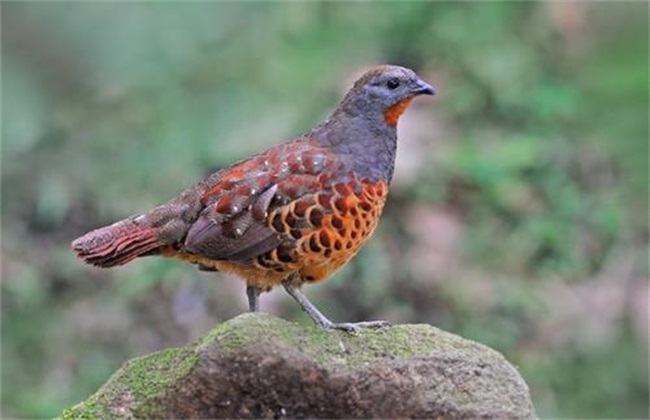
1. Environment Selection
Because of its small size, the bamboo partridge is quite sensitive to things in the outside world; louder noises or slightly larger creatures will send them into a panic, seriously affecting farming results. Secondly, a plain farm-style setup alone will make bamboo partridges grow very slowly, seriously affecting their quality. So when choosing a location, it is best to choose a place where mountains and plains meet; it should also be relatively quiet, ensuring there is little noise around, and you should also prevent creatures like dogs from wandering around it.
2. Site Construction
The bamboo partridge site is generally divided into two parts: one is the area for daily activity, and the other is the secure enclosure. There should be plenty of grass in the woodland, but it must not be too dense, as this is not conducive to observing daily conditions. The surrounding protective fence should be about 1.2-1.5 m high and fairly sturdy, preferably in two layers. The enclosure is mainly for nighttime shelter and daily feeding; it is recommended to simply divide it into zones for farming, which can save a lot of money and makes management convenient. The farming density is about 15 birds per sq m. The site should have good ventilation and cold protection, and the top should not use light-transmitting materials.
3. Feeding Management
The suitable temperature range for bamboo partridges is about 5-30°C, and the laying period is about 15-25°C. Feed them three times a day, in the morning, at noon and in the evening. Do not feed them too full in the morning and at noon, because during these two periods they are released to the exercise area and will also eat some things on their own; in the evening you can feed them a bit fuller. The feed is mainly fish meal, wheat flour, corn flour and the like, and it is best to occasionally feed them some insects. Each feeding should be replenished only after the feed has been finished to avoid waste; leftover feed is best not kept overnight, and if there is water in it, it is best not to feed it again at the next meal, as such feed poses a relatively large safety risk to bamboo partridges.
4. Points to Note
Normal bamboo partridges look relatively bright and plump, so you should frequently spot-check to see whether there are any abnormal conditions, because artificially farmed bamboo partridges have relatively poor local resistance. On colder or rainy days, try not to let them out, as the risk is relatively high; when the temperature is higher, driving the bamboo partridges to the woodland activity area can effectively prevent heatstroke. The hygiene inside the enclosure is best cleaned once every 2-3 days, and the feed trough should be cleaned after every feeding. Disinfect about once a month, mainly targeting places such as the ground, and after each batch is sent to market, carry out a thorough disinfection to ensure hygiene.
Light control and temperature control for bamboo partridges are both relatively important, and everyone needs to pay attention to these aspects. The bamboo partridge has a relatively small physique, which makes it relatively fragile in many respects, so farming bamboo partridges requires both caution and care.