Key Points of Katydid Breeding Technology and a Detailed Guide to Rearing Methods
Katydids have a long history in China, and today they offer good prospects both for ornamental purposes and as food. Especially as everyone's enthusiasm for these insects has been rising in recent years, the number of people breeding katydids has grown noticeably. So how exactly should katydids be bred? Let's learn the katydid breeding method below!
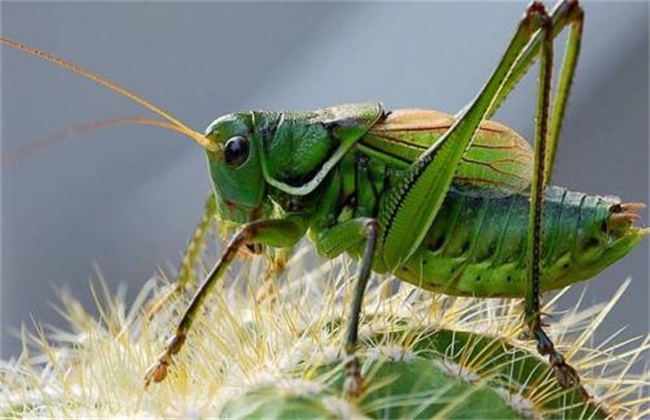
1. Building the Breeding Pen
Katydid breeding is divided into greenhouse ecological breeding and indoor breeding. The former has excessively high technical requirements and is mainly sold for ornamental purposes, so it is not recommended for beginners. Indoor breeding is considered the most beginner-friendly method; breeding katydids does not require much space, unless the numbers are large. Prepare some boxes with about three tiers, each tier about 30 cm apart, and place 5-10 cm of fine sand in each tier for the katydids to lay eggs in. Seal all four sides with gauze, which allows ventilation while preventing escape. Reserve an opening in each tier for putting in food and a place to prevent food from [spoiling], making daily rearing convenient. About 800-100 per sq m of crickets is relatively suitable.
2. Environmental Management
Because katydids are relatively small in size, they have fairly high temperature requirements; a slightly lower temperature can easily cause death in large numbers. The relatively suitable daily temperature is around 25-28°C, and it needs to be kept stable over the long term. Large temperature fluctuations will affect their normal growth. Second, ventilation must be well prepared inside the breeding room to avoid it being stuffy, hot and humid inside, as these will greatly affect the growth of the crickets, and the inside must also be kept free of odours.
3. Egg Laying and Introducing Breeding Stock
During the mating period, katydids should be allowed to mate one male and one female separately, otherwise fights may break out over mates. Cricket eggs are generally buried by them in the soil, at a depth of about 4 cm. They lay eggs around October each year, and the eggs hatch around May of the following year. In between, for safety, breeders may need to take the eggs out and store them themselves to ensure hatching. Each pair lays about 200-300 eggs.
4. Rearing Management
The most important point when rearing katydids is the freshness of the food. Crickets are very picky about food and generally will not eat food that is not fresh, so breeders should pay attention to this. Insects are omnivorous; whether it is other small insects or vegetables and the like, they eat them all. However, for their health, mixed feeding is generally used, and some fresh animal internal organs can also be minced and fed to them. Vegetables such as carrots and cabbage can all be fed, but there should preferably be no moisture on the vegetables. Feeding about 2 times a day is sufficient, and the food should be prepared fresh and fed immediately.
The above is the katydid breeding process. More specific information will be updated gradually later. In fact, breeding crickets also requires patience. Do not think they are easy to raise just because they are insects. If there is anything you do not understand, you can leave us a message!