A Detailed Guide to Shelduck (Ma Duck) Farming Methods and Technical Points
The shelduck, also called the sparrow-feather duck, is a native duck of China, named for its mixed black-and-white plumage. It is currently very widely distributed, with the Gaoyou shelduck being the most famous. In the Gaoyou area, the shelduck is physically strong, highly adaptable, and a good layer, making it a high-quality duck breed. Today, shelduck breeds are raised all over the country, and a great deal of duck-raising experience has been accumulated, so this article is meant to share past farming experience and offer some help.
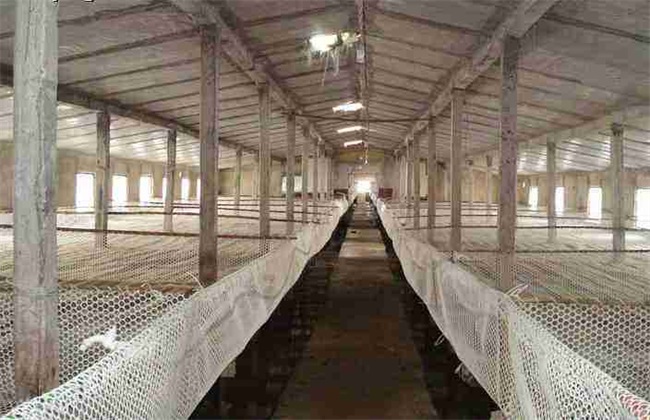
I. Building the Duck House
Build the duck house on a spacious gentle slope that receives sunlight, preferably with a fruit tree grove nearby fenced off as an activity area, but without tall trees shading the farm. A clean and convenient water source should be nearby, preferably downstream of a river, with a good site and drainage channels for handling waste. The duck house must be ventilated and breathable, with all pipes and facilities complete, and it should be no more than 10 m long and within 8 m wide. Feeding troughs, sewage channels, and so on must all be in place.
II. Brooding
Newly hatched ducklings should be raised in a brooding room, starting with warmth. When they begin pecking at each other, they can be fed for the first time with crushed rice or cornmeal and similar grains. A few hours after eating, they can be trained to drink water by gently pressing their heads down to the water. After that, keep the temperature above 20 degrees, increase the amount and frequency of feeding each day, and place a shallow water basin for drinking. After one week, add chopped vegetable leaves mixed with rice grains to the feed to aid digestion and absorption. After one month, they can be raised normally.
III. Feeding
Adult ducks are mainly fed wheat bran, soybean cake, vegetable leaves, succulent feed, radishes, pumpkins, sweet potatoes, and the like. Usually wheat bran is mixed with vegetable leaves plus sweet potatoes, with a small amount of salt and protein powder added, and fed together so the nutrition is more complete; afterward, this combined feed formula can be used throughout. Feed 2 to 3 times a day, not too much. In addition, keep some clean river sand on hand to aid digestion.
IV. Free-Range Raising
During the day, except when it rains, the ducks must be let out to move around the orchard. Free-range raising is better for the ducks' health; sunbathing increases calcium and strengthens the bones. Activity firming up the meat, and playing and foraging all help the ducks get sick less often. Freely catching and eating some insects adds nutrition. But the free-range area must be fenced with wire mesh to prevent wild animals from entering. In addition, they should also be taken to the riverbank to forage every day.
When raising shelducks, because they have strong wild instincts and adapt well to the environment, management and care can be a little more extensive and free, which actually benefits their growth. In addition, the major requirements that should be met must be satisfied; simply provide the best possible growing environment and they can be raised.