How to prevent and treat avian tuberculosis? Introduction to practical methods
Avian tuberculosis is a chronic disease that generally affects the growth rate of chickens, and it is also a contagious infectious disease that currently occurs in farms both domestically and abroad. Flocks with short rearing periods may only be discovered after necropsy. However, this disease is highly contaminating and requires attention for prevention and treatment. To learn specifically about the causes of the disease and prevention and treatment methods, please continue reading the content below.
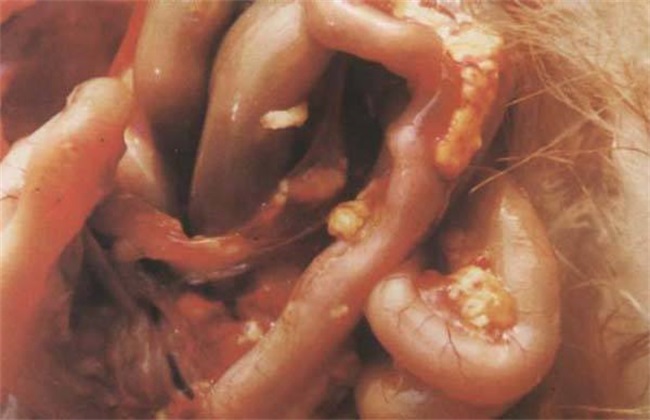
I. Causes of the disease
Avian tuberculosis is a contagious disease caused by infection with avian-type Mycobacterium tuberculosis. The bacterium is an oxygen-dependent bacterium that reproduces normally at ordinary temperatures, and its reproduction decreases at high temperatures, causing it to lose viability. It can be quickly killed with bleaching powder and alcohol. The control effect with antibiotic agents is relatively good. The disease spreads easily, mainly infecting chicks.
II. Symptoms of the disease
At first, the chickens only show lethargy and become thin, and later the comb droops and the breastbone becomes deformed. In severe cases, diarrhea, difficulty moving, weak legs and paralysis appear. Necropsy of the chicken body reveals that the liver is generally enlarged with granular substances. Tuberculous swollen granules appear in multiple places in the spleen, stomach, intestines and lungs.
III. Preventive measures
1. Elimination
Infected chickens can be directly killed and buried deep or burned, and the chicken coop must then be disinfected. Healthy flocks should be quarantined, and chickens showing initial signs of disease must be isolated and raised in a place outside the farm, and must also undergo long-term treatment with injections. They can return to the flock after recovery.
2. Epidemic prevention
Chicks must be quarantined promptly after hatching every year, and regular quarantine must be carried out thereafter. Vaccination can also be given first to prevent the disease. Usually maintain a clean environment, clean every day, and regularly spray disinfectant agents. Excrement must be composted and decomposed, then disinfected with agents before being disposed of.
3. Disinfection
Eggs laid by diseased chickens cannot be kept, nor can the chicks they hatch, because these all carry pathogens and must be burned. Lime should be spread around the chicken pen and the surroundings of the farm to isolate external sources of infection. Everyone entering the farm must wear work clothes, undergo ultraviolet disinfection, and enter through a footbath disinfection pool. Equipment used for chickens must be disinfected regularly with disinfection equipment.
Avian tuberculosis bacteria can infect many poultry, so breeding requires attention to infection from multiple aspects, and isolating and eliminating the source of infection is the most important preventive measure. Destruction after infection is the main control method. If a large-scale outbreak occurs, timely treatment is the most critical method.