Key Technical Points and Precautions for Mandarin Fish Farming
The mandarin fish is a carnivorous fish, also known as the Chinese perch (Siniperca chuatsi), and is one of the four major freshwater fish of China. Its flesh is delicious, making it a prized fish. This fish has high nutritional value and also possesses certain medicinal value; it can nourish the five internal organs and is a health-promoting fish. There are quite a few varieties of this fish, which were originally all wild, but as wild numbers declined, artificial farming began, and by now a certain amount of farming experience has been accumulated. Today this article mainly aims to explain the specific process and methods of mandarin fish farming.
1. Breeding and Rearing Fry
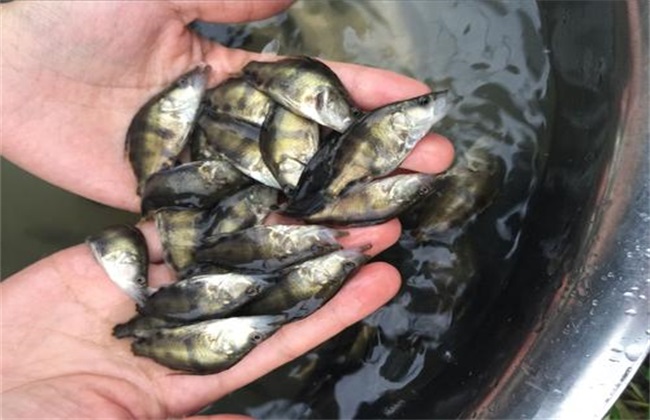
After the female fish's fertilized eggs hatch, the fry still need a period of separate, careful rearing to ensure the survival rate when stocked. Generally, they are first hatched in a thermostatic hatching jar with flowing water, and after 5 days the fry are more or less fully hatched. Then, after the yolk sac disappears, they can be fed for the first time, with some fine powdered concentrated feed. When a bit larger, they are fed small fry; if they can swallow small fry, it means survival is assured. After one week, more than 10 small fry can be fed each day.
2. Preparation
Before stocking, the pond is disinfected with quicklime; drain the water first before disinfecting, and do not disinfect with water still in the pond. If the pond bottom has high silt and humus content, no base fertilizer need be applied, but generally some livestock manure is applied to create a good ecological environment and provide microbial feed for the fish. One day after disinfection, water can be added, and the water inlet and outlet should be blocked with nets.
3. Stocking
The stocking water depth should reach about 2.5 m, and some aquatic plants can be planted in the pond at stocking time. Stocking should be done together with other fish that mandarin fish like to eat, which can serve as prey for them; otherwise they may cannibalize each other, as they have a fierce temperament. In the stocking pond, about 1000 fry are stocked per mu of pond; this lower density allows for better growth.
4. Feeding
Some other fry should also be put in as feed, first about 500, and later a certain number fed regularly. The fish put in are best herbivorous fish, so there is no conflict, and they will not bite each other back. If loud chasing sounds are heard in the pond, it means the number of feed fish has decreased and feeding should be done in time. If there is little commotion, there may still be enough to eat. The feed fish raised should be only one third the size of the mandarin fish, for easy consumption.
5. Management
The water should be flowing year-round, not stagnant. If the water is low in oxygen, use 250 ml of hydrogen peroxide per mu to increase oxygen, and some fish can also be caught and sold to increase activity space. To prevent parasites such as wheel worms and chilodonella, use formaldehyde diluted with water and spray it.
The above is the detailed farming technique for mandarin fish, mainly divided into five aspects, but there are still some details that require refined operation. In actual production and farming, attention should be paid to starting from reality and referring to others' farming experience; this is the best farming method.