Detailed Explanation of Key Points in Cashmere Goat Feeding and Management Techniques
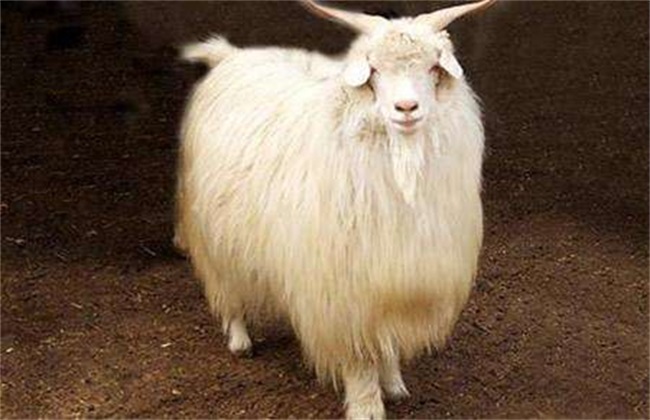
Cashmere goats have long, pure white hair, and the main income comes from wool production. They have a lot of hair and a high cashmere yield, making them, besides sheep, a major wool-producing breed. They are a goat breed unique to China, an excellent breed developed through long-term natural selection and artificial breeding. In addition, the Tibetan region also has the Northern Tibetan white goat breed, which currently has superfine cashmere and is well received. So if anyone wants to raise cashmere goats, they can read the cashmere goat farming techniques discussed below in this article.
I. Choosing a Site
The place for building the goat shed can be on a gently sloping area at a somewhat higher elevation. It should receive full sunlight, and the area should be spacious and flat, with no surrounding forest. Transportation access should also be convenient, with a clean water source nearby, but in a location where drainage will not pollute rivers.
II. Building the Goat Shed
The goat pen can be built with materials such as stone, steel, iron, or wood. Do not use materials with poor ventilation. It must also be able to keep out the cold in winter. When building the goat shed, the rear consists of individual resting pens for the goats, and the front is an enclosed connected activity area. The rear should not be exposed to sunlight, while the front can receive sun. A single goat pen is generally about 20 m long and 6 to 8 m wide. Each pen should have 2 sq m of space. Each pen should be equipped with two feed troughs, and windows should be opened in the walls.
III. Feeding and Management
After lambs are weaned, train them to eat feed. Generally, feed them some rice flour-type fine-fiber feed, a small amount many times a day, then gradually increase the supply later, and provide water daily for them to drink on their own. After they reach adulthood, the main feed should be green feed, forage grass, or the leaves of some grain crops and vegetables. Rams are fed 0.5 kg per day, and ewes 0.3 kg. During the mating and pregnancy period, provide more water, allow moderate grazing and exercise, let them eat forage grass, and increase mixed concentrate feed. Fish meal, protein powder, and similar items can also be fed to supplement nutrition. After giving birth, careful care is needed, and they should also be fed their favorite feed, mainly green hay plus some sweet potato and carrot, combined with corn flour.
IV. Daily Management ⟧11⟧After lambs are born, temperature must be ensured, which helps survival. After the water utensils are disinfected, provide clean water and let the goats drink on their own. Add some salt to the feed at regular intervals; goats like salt, and salt can increase feed intake. Deworm the flock at regular times each year to eliminate internal and external parasites. Clean the goat shed regularly to ensure cleanliness and reduce pests and diseases. Vaccinate with various vaccines at regular intervals.
After the lambs are born, the temperature must be kept stable to help them survive. After the drinking-water utensils have been disinfected, provide clean water and let the sheep drink on their own. Add some salt to the feed at regular intervals; sheep like salt, and salt can increase feed intake. Deworm the flock at set times each year to eliminate internal and external parasites. Clean the sheep shed at regular intervals to keep it sanitary and reduce pests and diseases. Vaccinate against various diseases at regular intervals.
Cashmere goat farming is roughly carried out according to the above procedures, and attention should also be paid to some specific details. Choose a good site, build suitable goat sheds, provide feeding, and also complete some miscellaneous tasks that require careful attention. In this way, cashmere goats can be raised well.