What are the prevention and control methods for bovine tuberculosis?
Cattle farming often involves various diseases, and different cattle breeds may suffer from different diseases, but some diseases are indeed widespread. These diseases are either highly lethal or extremely common. Today, the article we are introducing is bovine tuberculosis, a relatively serious disease that can also infect humans. It is an important animal disease for prevention and control.
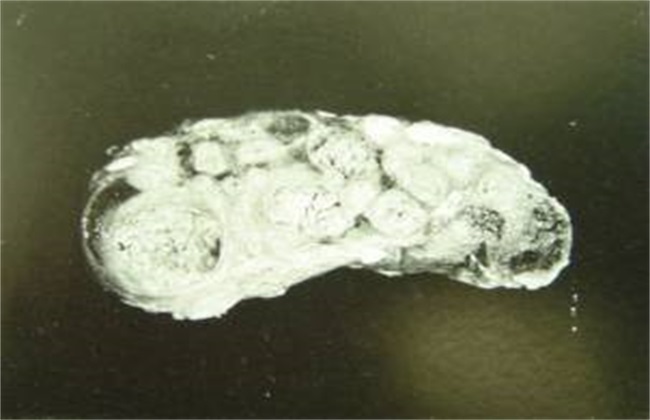
I. Disease types and infection
The pathogen has three types, showing different infection symptoms and different reproductive infection methods, mainly distinguished by the infection target: bovine type, human type, and avian type. So we will mainly discuss the bovine type pathogen that infects cattle. The pathogen needs oxygen to grow and is sensitive to pH, able to survive within a range of 5.9 to 6.9. It can survive in soil for 7 months, is afraid of high temperatures, and bleaching powder and formaldehyde are effective for prevention and control. It mainly spreads through the respiratory tract.
II. Symptoms of infection
Dairy cows and water buffaloes are most susceptible to the disease and are easily infected by other animals. The disease has an incubation period of about half a month. During this period, the first signs are weight loss and difficulty breathing. Later, different symptoms appear depending on the main site of infection: pulmonary tuberculosis causes coughing and friction sounds on auscultation; lymphatic tuberculosis causes swelling of the lymph nodes around the lower jaw; mammary tuberculosis causes reduced milk production, breast swelling, and lumps; intestinal tuberculosis causes symptoms of diarrhea.
III. Prevention and control methods
1. Quarantine
Conduct regular quarantine of the cattle herd every year. If problems are found, isolate and treat immediately, and only return to the herd after recovery. When purchasing breeding cattle, quarantine once, isolate and observe for one month, then quarantine again. Only disease-free animals can enter the farm to be raised together. Do not allow people sick with tuberculosis to enter the farm.
2. Disinfection
Carry out thorough disinfection regularly every year and clean the entire farm. Normally, clean the cattle pens every day, regularly collect manure and other waste from the grazing areas, and after washing the farm ground, spray chemicals and medicinal powder. When washing the ground, also wash the cattle's bodies. Feeding utensils must be disinfected at high temperature regularly.
3. Epidemic prevention
Check once a month. If sick cattle are found, isolate and treat them promptly; seriously ill cattle can be killed directly. Normally observe cattle suspected of being infected and cattle in poor condition, isolate them promptly, and raise healthy cattle separately from suspicious cattle. Note: do not mix sick cattle into a healthy herd. Sick cattle require long-term treatment and multiple follow-up visits.
When cattle develop bovine tuberculosis, different pathological reactions easily form throughout the body, so the harm is relatively serious and treatment is not easy. Tuberculosis is a disease that is not easy to eliminate after infection, and the disease course is generally very long. Treatment is prone to recurrence, so only after long-term treatment and multiple follow-up visits can it be said to be completely eliminated.