A Detailed Guide to the Prevention and Treatment of Exudative Epidermitis in Piglets
Exudative epidermitis, also called seborrheic dermatitis, mainly infects piglets. This disease used to be rare, and people did not understand it well, often assuming the symptoms were caused by a vitamin deficiency. Later, when vitamin supplementation failed to improve the symptoms, people came to recognize what this disease really was, studied treatment methods, and accumulated more treatment experience. Today we will also explain clearly the origins of this disease and how to handle it.
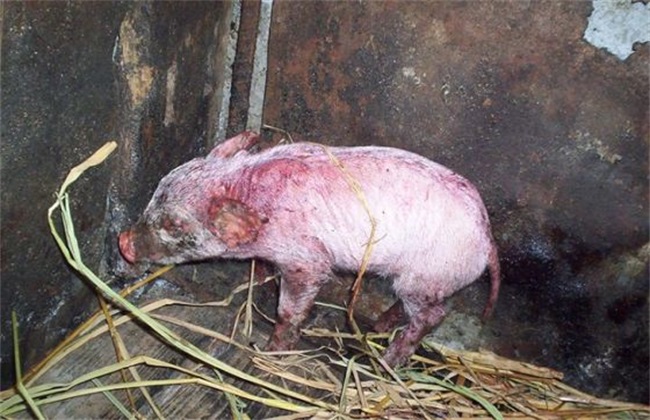
I. Signs of Affected Animals
It mainly affects piglets and young pigs. The disease has no incubation period and strikes suddenly. First, small red spots appear around the eyes, then turn black, and next a moist, greasy exudate appears locally, spreading over the whole body; later the sticky fluid dries and becomes black crusts. In severe cases the piglet stops nursing, the joints swell, and it has difficulty standing. Finally the skin becomes dry, cracks and loses water, and the animal dies from bleeding and weakness.
II. Infection and Transmission
The disease is caused by Staphylococcus dermatitis, a highly contagious bacterial disease. It mainly infects newborn pigs, and somewhat older piglets can also become infected later. The bacteria spread quickly: once one piglet is infected, the whole litter soon becomes infected. Testing has found that sows are not infected; only piglets are. The bacteria multiply rapidly in hot, humid conditions, so the risk of infection is high for piglets born in summer.
III. Prevention and Control Measures
1. Disinfection
Disinfection is the most effective way to prevent the spread of the bacteria. Generally, first isolate the sick pigs, then disinfect the bodies of the affected animals by medicated bathing, spraying, or injecting medication; after that, wash the entire pig pen clean, spray it with medication, wash the pigs that are not infected, and spray them with medication as a preventive measure.
2. Medicated Washing
Generally, 0.2% potassium permanganate can be used to soak the piglets for about 5 minutes, with the soaking time determined by the condition. The affected areas should also be coated with potassium permanganate solution or gentian violet, which is clearly effective. For infected wounds, apply iodine tincture and disinfect with hydrogen peroxide.
3. Medication
For sick pigs, give penicillin 50,000 units by intramuscular injection, once in the morning and once in the evening; after about 3 to 5 days of injection they can improve, the bacteria are eliminated, and reinfection does not occur. Alternatively, wash the affected area with cresol soap solution and then sprinkle oxytetracycline on it to treat and eliminate the symptoms and heal the affected area.
Keeping the pig pen clean and hygienic can prevent the bacteria from growing, spreading, and causing infection. If infection occurs, medicated bathing should be started at the early stage to control the condition. In severe cases, medication must be injected promptly; while eliminating the bacteria, do not forget to treat the wounds and affected areas to prevent secondary infection.