How to prevent and treat swine pox? Detailed explanation of prevention and treatment methods
Swine pox is a common viral disease in pig farming, caused by infection with a microorganism of the poxvirus genus. After infection, pigs develop papules and vesicles on their bodies, and it is a common viral infectious disease in summer. It is generally believed that the disease is caused by two viruses, one is vaccinia virus and the other is the true swine pox virus, because both can produce similar symptoms. This article mainly discusses how to prevent and treat swine pox.
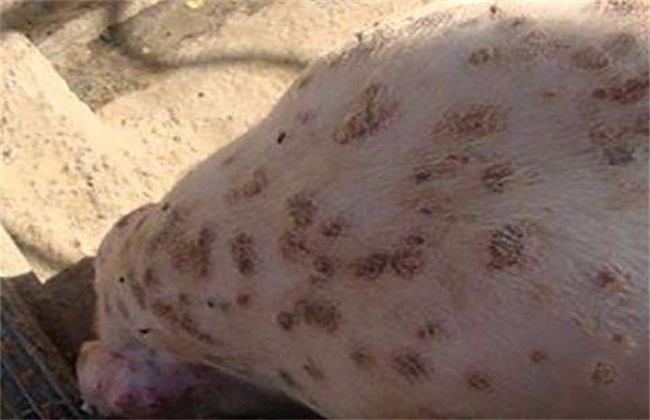
I. Disease symptoms
After infection with vaccinia virus or swine pox virus, brown papules, vesicles and pustules appear on the pig's body. They occur sparsely in the early stage and in great numbers in the later stage, spreading all over the body. When piglets are infected, red vesicles first appear starting from the lower abdomen and hind limbs, then spread to other areas. The center of the affected area forms a scab, sinks in and expands, and some lesions discharge pus.
II. Characteristics of the virus
Pigs are the only hosts infected by swine pox virus, but vaccinia virus can also infect cattle, sheep and other mammals, and can also spread between these animals and cause disease. The virus mainly infects young pigs and suckling pigs. The virus has an incubation period of 5 to 7 days, and the infection is not obvious. The incidence rate is high in young pigs, but the mortality rate is low, and the treatment effect is obvious. The virus is mainly spread by pig lice and insects, and contact transmission is rare. Pigs that recover after infection have relatively high immunity.
III. Prevention and treatment methods
1. Cleaning
Maintain the hygiene of the rearing environment, frequently give medicated baths, and wash the pigs' bodies. Once sick pigs are found, they must be isolated and raised immediately and treated at once. The pig pen must be thoroughly cleaned and disinfected, and attention must also be paid to eliminating insects. Spread chemicals or medicinal powder in the pig pen to prevent insect invasion, and in summer take care to prevent mosquito and insect bites on the pig herd.
2. Disinfection
At present there is no obviously effective drug treatment for this disease. Antibiotics can be used to suppress it, and then the affected areas of sick pigs can be washed with potassium permanganate solution and coated with disinfectant agents such as iodine povidone solution. However, pigs that have had swine pox will gain very high immunity and basically will not get the disease again.
3. Treatment
A 0.5% iodine solution can be injected into the papules, or 0.05 g of moroxydine can be injected intramuscularly per 1 kg of body weight, and the condition will improve after several consecutive days of use. In addition, vitamins need to be supplemented and a certain amount of physiological saline injected to increase resistance. Traditional Chinese medicine can also be used for treatment: decoct 10 g of honeysuckle, 5 g of kudzu root, 5 g of cimicifuga, 10 g of forsythia, 5 g of smilax glabra and 5 g of raw licorice in water and feed it several times, and it will be cured. Of course, there are many herbal formulas that can be used, and one suitable for the condition can be chosen.
Although swine pox is not a highly fatal disease, if left untreated it will become severe, and it is hard to guarantee that serious consequences will not occur. Therefore, prevention can only be carried out by maintaining hygiene and deworming, and there are still many treatment methods. The therapeutic effect of traditional Chinese medicine is relatively obvious.