How to prevent porcine parvovirus? Introduction to scientific prevention and control measures
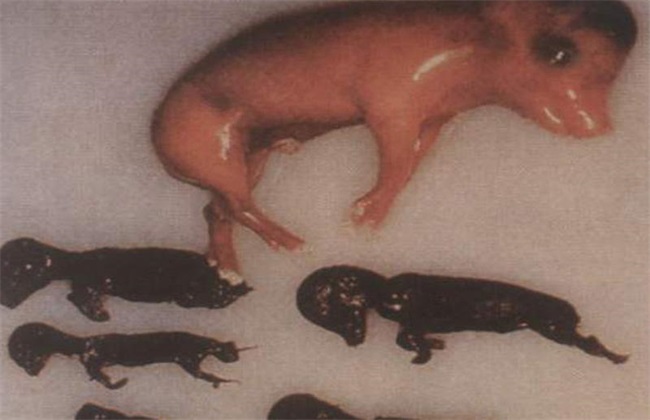
Porcine parvovirus, also known as porcine reproductive failure syndrome, generally causes sows to give birth to dead piglets or to abort and be unable to reproduce, and may also produce mummified, deformed piglets. Therefore, its impact on pig reproduction is relatively serious. At present, this disease occurs frequently in breeding, and although there are not many diseases that affect reproduction, the impact is very serious. In order to avoid such situations, this article will give a detailed introduction to the origin of this disease and specific prevention and treatment measures.
I. Pathogen transmission
The virus is a member of the parvovirus group. It has strong heat resistance and can survive at temperatures below 80 degrees. It can resist acids and alkalis, ultraviolet light requires a long time to kill the virus, and trypsin treatment cannot kill the virus but instead increases infectious activity 3. Only bleaching powder and sodium hydroxide can quickly kill the virus. All pigs are susceptible to the disease, and the main sources of infection are sows and virus-carrying boars through mechanical reproductive transmission. Mating is the main route of transmission, and the virus survives in the body for a long time.
II. Infection symptoms
When sows become ill, they give birth to fewer piglets, produce stillborn fetuses, and deformed mummified fetuses; sometimes dystocia occurs because of fetal death in the womb. If infected in early pregnancy, miscarriage may occur, the embryo cannot develop, or development is incomplete. The embryo may also be absorbed. In severe cases, sows become infertile. If infected in late pregnancy, they give birth to virus-carrying piglets.
III. Prevention and treatment methods
1. Cleaning
The virus has strong resistance to the environment, so the pig pen must always be kept clean, cleaned every day, rinsed at regular times, and utensils and feeding utensils must be cleaned and disinfected, with disinfection equipment provided. Sewage must be treated before being discharged, and must not pollute the surrounding environment and provide a survival environment for the virus. Pigs should often be bathed and disinfected.
2. Quarantine
Except for the first introduction of breeding stock, you can subsequently persist with self-breeding. Breeding stock should be introduced from disease-free areas, and quarantine should be carried out before introduction, with disease-free introduction and disinfection of transport equipment. First isolate and raise them for one to two months, then vaccinate them before entering the breeding farm. A variety of vaccines have now been developed. You can choose the one with better effects for use.
3. Prevention and treatment
At present, some inactivated vaccines for PPV parvovirus have been developed, and then there are vaccines that can be used during the virus-carrying infection period, which can directly eliminate the virus in the body. The effect is obvious. Intramuscular injection of British Duoliant with cephalosporin injection, 2 times a day, for 3 to 5 consecutive days; for pigs with delayed delivery, inject prostaglandin injection to induce labor, preventing dead fetuses from being unable to be delivered and remaining in the body, harming the sow.
Porcine parvovirus is mainly a disease that affects reproductive breeding, and reproduction is an important continuation of breeding work. Therefore, farmers must pay attention to it. The above is a specific introduction to porcine parvovirus. It is provided for reading reference, and I hope it is helpful.