How to effectively prevent sheep diseases on a sheep farm
Sheep farming is a major livestock farming undertaking in China, and there are many breeds of sheep, with a certain amount of farming area in all parts of the country. When raising sheep, the issue everyone cares about most is sheep diseases. Sheep diseases are mainly prevented, with treatment as a supplement, so we must do a good job of preventing sheep diseases when raising sheep. So how exactly should this be done? Below, the editor will give everyone a brief introduction. Let's take a look together!
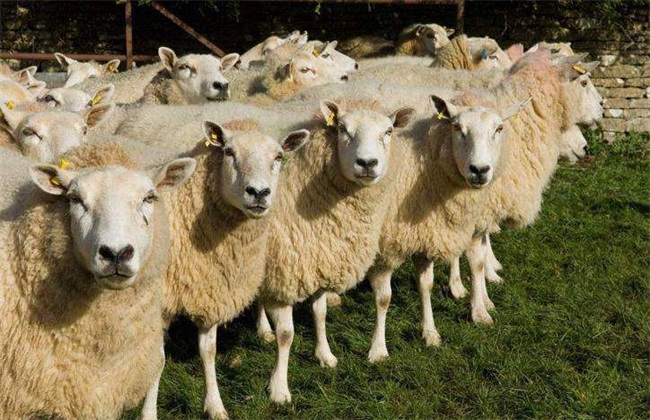
1. Vaccination
When raising sheep, we must pay attention to doing a good job of quarantine work for various infectious diseases of sheep, such as sheep plague, chlamydiosis and foot-and-mouth disease. If there are symptoms of illness, then they must be dealt with promptly, and comprehensive disinfection work must be done for the site, water and feed troughs and the surrounding environment of the sheep shed, to ensure the growth of healthy sheep. Then we must do a good job of vaccination, injecting an appropriate amount of vaccines such as Clostridium welchii polyvalent vaccine according to the specific procedure. Then add some inactivated foot-and-mouth disease vaccine to the drinking water to do the vaccine work well. Different vaccines should be injected according to different infectious diseases, and the prevention work for all infectious diseases should be done well.
2. Parasite control
During farming, attention must also be paid to doing a good job of parasite control. Deworming agents are mainly administered by subcutaneous injection with agents such as albendazole and levamisole phosphate injection, with the dosage controlled according to the sheep's body weight, to eliminate various parasites such as nematodes in the gastrointestinal tract. The main focus of parasite control work is the control of parasitic larvae that have already entered the sheep's body. At this time, the parasites are not yet fully mature, but they will still cause harm to the sheep's body. However, it can also produce an expelling effect on those mature parasites, and its control effect is still very good.
3. Control of common diseases
During farming, although regular vaccination can prevent the occurrence of infectious diseases, there are still some common diseases that we cannot ignore. Among them, the most common are various digestive tract diseases, such as stomatitis. Although the harm is not very great, it will have a relatively large impact on digestion and nutrient absorption, and in severe cases it can cause septicemia, so it must also be prevented and treated promptly. When stomatitis occurs, first rinse the mouth with normal saline, then apply some gentian violet solution to the wound. Then apply some agents such as iodine glycerin, and the effect is very obvious. There are relatively many common diseases of sheep, such as pneumonia, dysentery, etc., all of which require special attention.
4. Strengthen management
Management work is very important for the growth of sheep. During the raising period, we should observe the growth of the sheep more often. Judge whether the sheep is sick through various aspects such as bleating, eyes, fur, feed intake and activity level. Ensure that feed and drinking water are clean. Do not feed moldy and spoiled feed, and control the feeding amount well to prevent the sheep from eating too much. It is best to disinfect the drinking water to improve water quality. When abnormal conditions are found in the sheep, the specific cause must be identified promptly, and then corresponding measures should be taken to reduce losses.
The above is a brief introduction to how to prevent sheep diseases on a sheep farm. The prevention of sheep diseases is very important. Once the disease occurs, losses will definitely be incurred, so the incidence rate should be reduced as much as possible. That is all for today's introduction. This article is for reference only, and I hope it can help everyone!