What are the measures to prevent and treat miscarriage in cows? Explained clearly in one article
Cattle farming also requires attention to breeding, as breeding calves is the continued farming resource after selling adult cattle. Therefore, calves are selected and bred every year. Cows do not produce many calves, so every year many cows need to give birth to calves to maintain the farming population. Cows sometimes miscarry during pregnancy, which harms the cow's health, is detrimental to subsequent breeding, and may even cause infertility, so miscarriage must be prevented during cow pregnancy.
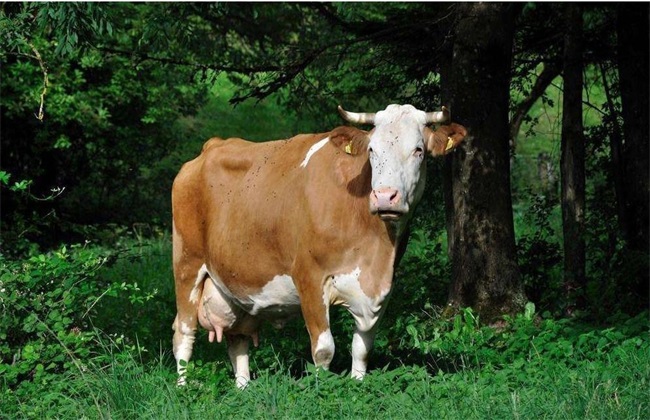
I. Causes of miscarriage
Cattle head-butting each other and external collisions can cause miscarriage; insufficient nutrient absorption after pregnancy may cause miscarriage; eating moldy feed causes it; or repeated miscarriages cause habitual miscarriage; infection and inflammation can lead to miscarriage, and careless medication is a factor; cattle infected with infectious diseases and in poor health is also a trigger.
II. Preventive measures
1. Quarantine and disease control
Introducing breeding stock requires quarantine for various pathogens, and regular quarantine is also needed during farming. Use medication to prevent and treat cattle illness and avoid miscarriage due to disease. Sick and healthy cattle should be raised in isolation, and newly introduced cattle should also be raised in isolation for one month. To prevent miscarriage, 5 to 10 milliliters of progesterone can be injected intramuscularly before pregnancy.
2. Management
Clean the cattle's living environment every day, including the cattle pen and the outdoor grazing area. Wash the cattle's bodies regularly to keep them clean and avoid infection and inflammation. Frequently check the cattle's health; when disease occurs, use medication promptly and deworm regularly. Control the temperature and humidity of the cattle pen, keep the ground dry, maintain normal air humidity, cool down in summer and keep warm in winter.
3. Grazing
Cattle need a sufficiently large pasture outside the pen where they can come out to move around, forage, and receive sunlight, which can increase the cattle's resistance, boost bone calcium, and strengthen bones. However, do not put them together with other non-pregnant cattle; they can be grazed separately to avoid them being injured by collisions.
4. Feeding
Supplement various vitamins and trace elements to prevent miscarriage due to fetal calf malnutrition, and prepare feed with high levels of these nutrients for feeding. Do not feed moldy feed, and especially do not feed cold water on an empty stomach.
5. Artificial insemination
Perform artificial insemination with careful and standardized operation, carried out by calculating the various suitable periods, so that insemination is precise, the fertilization success rate is ensured, and the possibility of miscarriage due to failure is reduced.
There are extremely many causes of miscarriage in cows, and the influences of all aspects must be considered comprehensively, including weather and environment, which also have some effect. Prevention requires doing good work in all aspects; only then can the probability of miscarriage be reduced. Only then can the fetal calf be preserved and the important task of breeding be successfully completed.