How to manage ewes after lambing? Mastering these key points is essential
After lambing, ewes are physically weak with reduced resistance, and they must also take on the job of nursing their lambs. If they are raised improperly, it will not only lead to slower postpartum recovery for the ewe, but the lambs are also highly prone to death. Therefore, postpartum feeding and management of ewes is extremely important. So how should it be managed? Let's find out together.
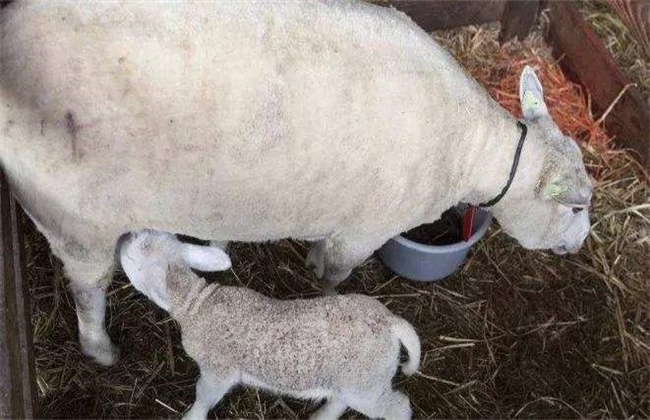
1. Environmental hygiene
Ewes are physically weak after lambing and have relatively weak resistance to bacteria and viruses. If environmental hygiene is poor, they are highly susceptible to disease, so the cleanliness and hygiene of the pen must generally be ensured. When the ewe is about to lamb, wash the vulva, udder, tail base, and contaminated areas of the hindquarters with warm water, and promptly replace the bedding with clean, soft straw to avoid lesions of the birth canal and reproductive organs. If lambing occurs in winter, do good insulation work while also preventing dampness, maintaining a relative humidity of 50%-70% as appropriate, with sufficient light and good ventilation, and pay special attention to drafts.
2. Feed and nutrition
In the early lactation period, ewes have a relatively high demand for protein and minerals, so protein, calcium, phosphorus, and other nutrients must be maintained. Appropriately feed more green fodder and feed rich in protein and minerals, and at the same time appropriately increase the ewe's exercise to help her recover as quickly as possible. When formulating the daily ration, in addition to ensuring sufficient protein and minerals and a reasonable ratio, feed more tender, succulent, and easily digestible feed. This not only does not increase palatability, but also supplements vitamins and promotes lactation in the ewe. After birth, the lamb's main food is breast milk. The greater the ewe's milk yield, the better the lamb's growth and development and the higher the survival rate.
3. Feeding management
As the ewe's milk yield increases, the nutrients the ewe requires also increase accordingly. If the supplied nutrients cannot meet the demand, the ewe will consume stored nutrients to make up for it. This is also one of the important reasons why ewes with better lactation performance tend to be relatively thin and weak. Therefore, supplementary feeding for ewes should be done according to the number of lambs and the milk yield. For ewes with a single lamb, generally supplement with 0.3-0.5 jin of concentrate per day, while for ewes with twin or multiple lambs, supplement with 0.5-1.5 jin of concentrate per day. For ewes in better physical condition, no supplementary feeding should be given for 1-3 days after lambing to avoid indigestion and mastitis.
The above is an introduction to the key points of post-lambing management of ewes. We hope it can help you. To learn more related knowledge, please stay tuned to us.