Key points of cattle feeding and management techniques in summer
Cattle are a native ordinary cattle breed in China, raised in large numbers and distributed across a wide range of regions. They also have the advantages of tolerating coarse feed, tolerating cold, and having strong disease resistance. Their meat is highly nutritious and rich in protein, and is deeply loved by people. Early summer is exactly the best period for raising cattle. Below, let's take a look at summer cattle feeding techniques with the editor.
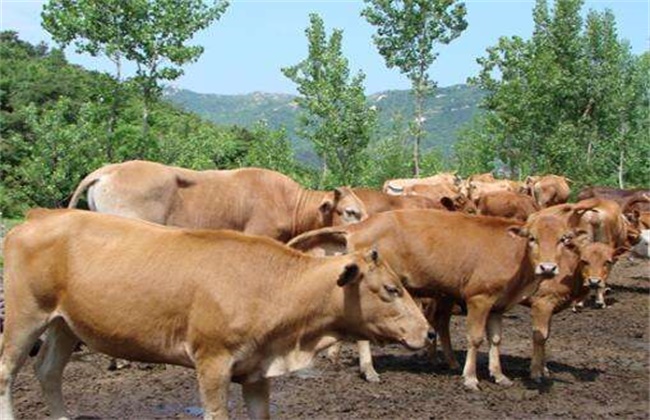
1. Feeding management
Feeding must be done at fixed times and in fixed amounts. With the high temperatures in summer, cattle may have a relatively poor appetite, so an appropriate amount of green grass can be fed to increase the cattle's appetite and vitamin supply, thereby increasing appetite. In summer, feeding is generally done 3 times, with each cow fed about 1.5-1.7 kg of hay per day, feeding hay first and then concentrate or feeding a mixture of hay and concentrate, making sure the feed and hay are clean, and keeping the drinking water and feed troughs sanitary and clean. When grazing in mountainous areas, the cattle must be allowed to eat their fill during grazing; otherwise, hay or mixed feed must be supplemented in time. Concentrate is generally supplemented at 1-2.5 kg per day, and wheat bran, cornmeal, cottonseed hulls, cottonseed cake or soybean cake can also be combined with compound feed for feeding. Adding an appropriate amount of salt can improve appetite. With the high temperatures in summer, drinking water must be sufficient.
2. Breeding management
The most ideal for cattle is to produce 1 calf per year. Generally, a cow needs 30-40 days to recover after giving birth, so 40 days after giving birth is a crucial period for cow reproduction, and management should be strengthened at this time. Medication treatment after the cow gives birth can promote its recovery as quickly as possible. At the same time, scientific feeding management and a suitable environment should be provided. If the cow has not come into estrus 50 days after giving birth, the cow's physical condition should be checked in time to prevent empty pregnancy and infertility, and medicinal methods can also be provided to induce estrus and increase the cow's conception rate. After birth, calves have almost no immunity, so calves should be allowed to drink enough colostrum to improve immunity and increase the survival rate. The earlier they drink colostrum after birth, the better.
3. Deworming and strengthening the body
For cattle newly brought into the barn, stress prevention and control are very easy to need because of environmental changes, transport, fright and other reasons. A small amount of salt and brown sugar can be added to the drinking water, while more green feed should be fed. After 2 days, add a small amount of wheat bran and make the transition gradually so that they slowly adapt. After the herd is stable, carry out deworming work. Deworming is best done in the afternoon and evening, and it is best to do it when the cattle are on an empty stomach. Before administering the medicine, it is best to stop feeding for several hours and only provide drinking water, so as to facilitate drug absorption and improve efficacy. After deworming, they should be raised in isolation for 2 weeks, and their feces should be disinfected and treated harmlessly to ensure the best deworming effect.
The above is an introduction to cattle feeding and management techniques in summer. We hope it can help you. To learn more related knowledge, please keep following us.