What to Do When Laying Hens Peck Eggs? Cause Analysis and Preventive Measures
In the process of raising laying hens, there is often a certain rate of egg breakage. Besides breakage caused by feeding management, there is also the phenomenon of laying hens pecking eggs, which greatly reduces the qualified rate of eggs and affects breeding profits. So what causes laying hens to peck eggs? How should it be prevented and controlled? Let's find out together.
I. Causes of Egg Pecking
1. Poor Environment
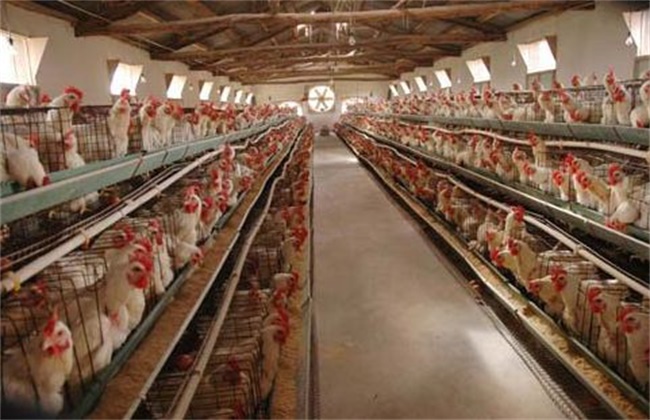
Excessive stocking density of laying hens, insufficient coop space, excessively high brooding temperatures, a damp and stuffy coop, insufficient feed and water intake by the flock, and insufficient light can all lead to egg pecking in laying hens.
2. Feed Nutrition
Insufficient protein and sulfur-containing amino acids in the feed, insufficient salt, or a lack of certain trace elements or vitamins, too little crude fiber, and crude fiber content being too low to meet the metabolism needs of the flock can all cause egg pecking.
3. Disease
When laying hens suffer from certain diseases and feel unwell, for example chronic enteritis causing poor nutrient absorption, or parasitic infection, or feed mildew causing dermatitis and paralysis in chickens, all of these can cause laying hens to peck eggs.
4. Other Reasons
Some breeds of laying hens are naturally aggressive and prone to pecking behavior; early-maturing hens are more nervous and also prone to pecking eggs.
II. Preventive Measures
To avoid chickens pecking at each other and fighting, mixed rearing should be avoided during the raising process. They can be raised in groups according to breed, age, strength and other factors, which can reduce egg pecking.
2. Keep the Environment Clean
During raising, attention should be paid to keeping the coop dry and clean, with sufficient light. At the same time, the brooding room should avoid strong light, the flock density should be appropriate, ventilation should be good, and drinking water should be sufficient, providing a suitable environment for the flock's growth.
3. Reasonable Feed Formulation
To ensure comprehensive nutrition for laying hens, the daily ration should be reasonably formulated. Attention should be paid to the crude protein content in the daily ration, and the proportion should be increased promptly as the laying hens grow. The calcium and phosphorus ratio in the daily ration should be reasonably adjusted, and an appropriate amount of salt should be added to the daily ration, along with sufficient green feed.
4. Beak Trimming
To thoroughly prevent the occurrence of egg pecking and other pecking vices in laying hens, beak trimming can be carried out when the chicks are 7-14 days old, and a second beak trimming at 70-90 days old.
The above is an introduction to the causes of egg pecking in laying hens and preventive measures. We hope it can help you. For more related knowledge, please stay tuned to us.