Causes of Soft-Shelled Eggs in Chickens and How to Prevent Them
Eggs laid by hens usually have hard shells, but sometimes soft-shelled eggs also appear. They have no hard outer shell, only a relatively thick membrane wrapping the inside of the egg. Some are white, and some appear transparent. Why is this? How can we prevent chickens from laying soft-shelled eggs?
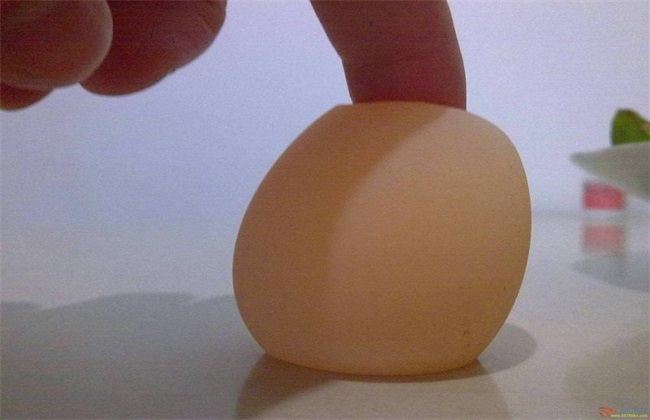
I. Causes
1. Nutrition
Generally, the hard shell of an egg is mainly formed from calcium. If calcium is lacking, the shell cannot form. The yolk requires a large amount of phosphorus, and phosphorus plays a major role in the formation of the eggshell, bones and cells. Insufficient calcium and phosphorus directly affects the chicken's growth, and consequently affects egg laying. Calcium and phosphorus need to be used in balance; generally calcium is 1 times the amount of phosphorus. An imbalance affects absorption, and vitamin D is also an important component that enhances the absorption of calcium and phosphorus. A deficiency causes a drop in egg production, smaller eggs, and the appearance of soft shells.
2. Management
Temperatures that fluctuate between high and low affect the chicken's development, and then affect feed intake. A lack of nutrition can cause the eggshell to become thin. Poor ventilation leads to ammonia poisoning, which affects calcium absorption. Overstocked free-range conditions, insufficient activity, and poor circulation mean calcium and phosphorus are not transported properly. Stress reactions after being startled also have an effect.
3. Diseases
An outbreak of white diarrhea enteritis, or infection with coccidiosis, may cause chickens to lay soft-shelled eggs. And when the chicken's resistance declines, weak resistance also makes disease more likely.
II. Prevention Methods
1. Manual Adjustment
There are now some additives on the market produced specifically for soft-shelled eggs that can help regulate and prevent their occurrence. You can choose a legitimate, suitable and safe additive to help improve the situation. Ventilate frequently and maintain a good air environment. Pay attention to keeping warm and controlling the temperature; consistently maintaining a suitable temperature of around 20 to 25 degrees can prevent it. Frequently drive the chickens out for free-range activity to strengthen their resistance.
2. Supplementing Nutrition
For daily feeding, you can feed some grain crops that contain more calcium and phosphorus, or separately supplement shell powder, eggshell powder, bone meal, or cod liver oil to supplement calcium, phosphorus and vitamin D. This should improve the situation, but you can also mix your own concentrated feed with higher content to increase the feed's absorption and digestion rate.
3. Diseases should be prevented starting from the chick stage, with vaccinations given. If disease still occurs in adulthood, medication should be used promptly at the onset. Generally, penicillin and sulfonamide drugs are used for treatment. For coccidiosis infection, use robenidine, mixed into feed at a concentration of 30 to 33 mg/kg, continuously for 1 to 2 months.
There are many reasons why chickens lay soft-shelled eggs. Some effects are mild, and some are severe. So you must find the cause and use the correct method according to the symptoms to improve the situation, regulate them well, and return to normal egg-laying. If you encounter this situation, I believe you can handle it correctly.