Key Points for Black Pig Feeding and Management
Black pigs have long been known as "grass-fed fattening pigs" and have a domestication history of five thousand years in China. Although their growth rate is relatively slow and their body weight is low, their commercial value is much higher than that of ordinary pigs. Black pork has good meat quality, bright red color, and a high lean meat rate, and is extremely popular with consumers on the market. So how should black pigs be raised? Let's take a look at their feeding and management techniques together below.
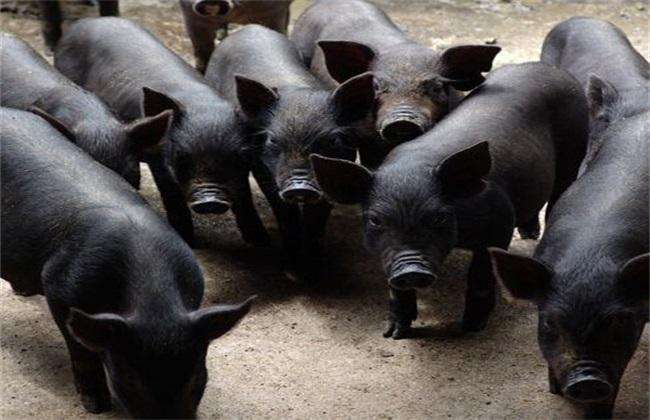
1. Pig Farm Construction
Pig farms are generally built in places with high, dry terrain, convenient water sources, and far from residential areas. The pig pen must have a floor of 3 meters, and the floor must be a cement floor to facilitate cleaning and prevent other small animals from intruding. There must be enough windows around for ventilation and air circulation, sewage channels arranged outside, and an open-air pen built outside the pig pen.
2. Selection of Breeding Pigs
For breeding selection, go to a formal breeding farm to purchase healthy, well-developed 6-month-old piglets with strong limbs, normal hair, and good spirits, weighing about 20 jin, for breeding. Boars are required to have strong limbs, well-developed and powerful hindquarters, and symmetrical, large testicles; sows are required to have sturdy limbs, a straight and level back, a large belly that does not drag on the ground, more than six pairs of teats distributed evenly, and fully developed reproductive organs.
3. Feeding and Management
After introduction, the pigs must be isolated for a period, at the latest about one month. After observing that the herd is completely normal, they can be mixed and raised together. Before this, attention must be paid to thoroughly disinfecting the pig house, and adjusting the temperature inside the house according to weather changes to ensure the breeding pigs remain emotionally stable. Pigs from different farms should not be mixed and raised immediately if they are unhealthy after entering the farm. They should be grouped and penned according to body weight, size, and pen area, generally 5-6 pigs per pen. On the day of transfer, it is advisable to feed a small amount of feed or no feed, and drinking water should also be controlled to avoid overeating and drinking. In the following days, gradually increase the amount of feed. By 5-7 days, it can be increased to the normal feeding amount, generally 2.5 kg of concentrated feed per pig per day, fed 1 to 2 times a day. Black pigs generally use corn, rice bran, wild grass, sweet potatoes, and other coarse grains, and can also be freely combined and prepared for feeding according to growth conditions.
4. Sanitation and Epidemic Prevention
Each pig pen needs a daily record of the pigs' drinking water and diet, environmental humidity, and temperature changes, and ventilation should be carried out according to indoor and outdoor conditions. The pig farm must be equipped with cleaning equipment to clean feed, clean the site, and carry out sewage treatment. At the same time, regular disinfection is required. A disinfection pool must be set up at the entrance. All personnel entering and leaving must wear work clothes and undergo disinfection treatment, so as to avoid bringing pathogens into the pig farm and causing the herd to become infected with diseases.
The above is an introduction to the key points of black pig feeding and management. We hope it can help you. If you want to learn more related knowledge, please stay tuned to us.