Detailed Explanation of Fattening Sheep Breeding Methods and Technical Points
Fattening sheep is a main direction in sheep farming, and rational breeding of fattening sheep is closely tied to farming profitability. When raising fattening sheep, attention should be paid to appropriately adjusting breeding methods to ensure the healthy growth of fattening sheep, so that the benefits of fattening sheep can be effectively improved. So how exactly should we go about raising fattening sheep? Below, the editor gives a brief introduction to the breeding methods for fattening sheep. Let's take a look!
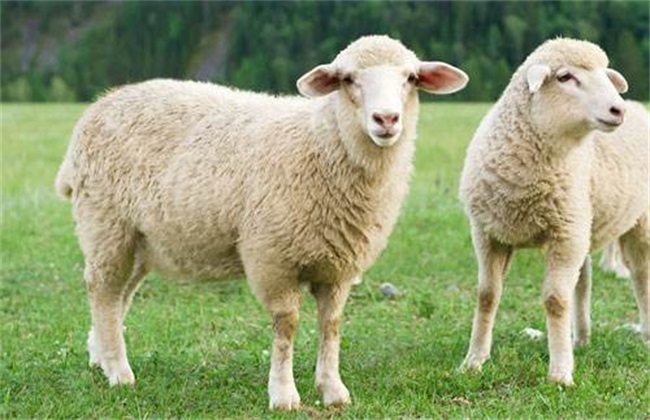
1. Rational Breed Selection
Breed selection is very important for raising fattening sheep. There are now many sheep breeds, and each breed has different characteristics. However, when selecting fattening sheep, we should certainly focus on those with good fattening results. When selecting breeds, pay attention to observing the growth of young sheep. Do not choose those young sheep that are highly active and constantly running around. Give priority to quiet and docile ones, as their fattening results are better. Because their daily consumption is not high, a certain fattening effect can be achieved. Then factors such as disease resistance, feed intake and meat production should also be considered.
2. Feeding Methods
The feeding methods for fattening sheep mainly depend on your own farming model. If grazing is the main approach, then supplementary feeding about twice a day is needed, mainly with concentrated feed, ensuring the ratio of protein to energy. The supplementary feeding time should be controlled to the morning and evening when temperatures are not high. If it is confined housing, then feeding should mainly be frequent small meals. Moreover, sheep have relatively poor nutrient absorption capacity, so an appropriate amount of easily absorbed and digested feed should be added. Finally, feed should be reasonably matched, mainly with roughage and supplemented by concentrated feed. After each feeding, water should be given once, with the water temperature reasonably regulated.
3. Scientific Breeding
Fattening sheep need different things at different growth stages. Therefore, when raising them, we should raise them separately according to their growth stages to improve the fattening effect. During the young sheep stage, attention should be paid to increasing the proportion of forage, while after adulthood, more feed should be given to ensure successful fattening. In addition, the feeding amounts in these two periods differ to a certain extent, so group housing and separate feeding must be done well. Then, if you want to improve the fattening effect, it is best to use confined housing, which not only facilitates management but also reduces the sheep's activity and lowers consumption.
4. Daily Management
Fattening sheep have relatively poor disease resistance. During breeding, if management is slightly improper, various diseases can easily occur. This lowers the appetite of fattening sheep, causing them to gradually become thin and hindering the fattening work. When raising them, we should first do a good job of sanitation in the sheep shed. If it is too dirty and messy, it will have a certain impact on the growth of the sheep. Then, for some sheep with low feed intake, we can appropriately feed some drugs that promote digestion to improve appetite. Finally, during rapid fattening, we should mainly use concentrated feed, paired with an appropriate amount of forage, to provide the sheep with sufficient nutrition.
The above is a brief introduction to breeding methods for fattening sheep. The breeding methods for fattening sheep are actually not much different from those for ordinary sheep, but the main thing is still to do good management work and enhance the sheep's growth ability. That is all for today's introduction. This article is for reference only, and I hope it can be helpful to everyone!