What are the key management points for aquaculture ponds during the plum rain season?
The plum rain season generally falls in June and July each year, when humidity is high, temperatures are high, and sunlight is scarce. This is also the most critical period for aquaculture. Water quality and water temperature continue to rise, and it is also the period when aquatic animals grow fastest. As water quality improves, oxygen content decreases. In addition, the plum rain season brings more heavy rain, thunderstorms, and overcast and rainy days, which have a major impact on aquaculture, with frequent disease outbreaks that can cause huge losses if slight carelessness occurs. So how should aquaculture ponds be managed during the plum rain season? Let's take a look together.
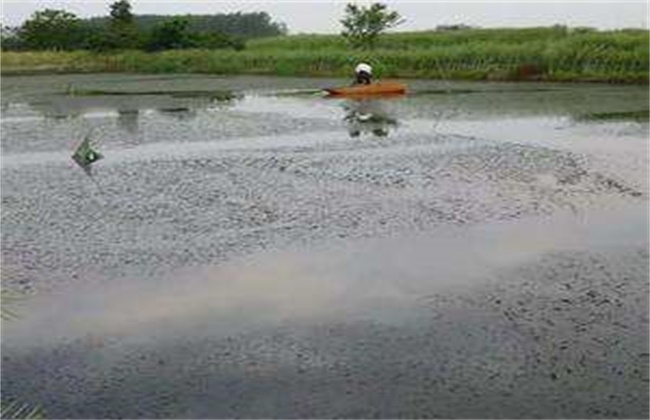
1. Strengthen water quality regulation
During the plum rain season, with light and watering, algae in aquaculture ponds lack light and grow slowly, but the food intake of aquatic animals increases, and the increase in residual bait and excrement can also cause water quality deterioration and lead to oxygen deficiency. Therefore, oxygen should be appropriately increased to break the dissolved oxygen stratification, balance the dissolved oxygen content in the water body, stabilize harmful gases in the water body, promote the decomposition of organic matter in the pond water, and inhibit the reproduction of anaerobic bacteria. Oxygenation should be determined according to weather, water quality, and other conditions. Generally, turn on the aerator, and in severe cases, splash oxygen-increasing agents. Regularly use bottom quality improvers to improve the bottom quality, and turn on the aerator to eliminate toxic and harmful substances produced by the decomposition of organic matter at the bottom, maintain good bottom quality, and prevent water quality deterioration.
2. Strengthen daily management
Feeding should ensure the freshness of the feed, and absolutely do not feed moldy feed, so as to avoid water pollution and animal poisoning. Attention should be paid to the storage conditions of pellet feed. It is not advisable to buy too much feed at one time to prevent mold. Feeding should be flexibly controlled according to weather changes and food intake, and it is enough to control them to eat 60-70% full. After feeding, residual bait should be removed as much as possible to avoid polluting the water quality. In stuffy and thundery rainy days, the feeding amount should be appropriately reduced. Strengthen pond patrol work, and take timely measures when abnormal problems are found. When deaths are found, first improve the environment, then consult professionals and choose an appropriate treatment plan.
3. Do a good job in disease prevention
In dense weather, feeding carrots should be controlled to avoid enteritis or physiological diseases caused by feeding management. Antibacterial substances such as Sanhuang powder can be added to the feed and fed continuously for about 5 days. Before the plum rain arrives, choose good weather to deworm once, then disinfect once after three days. After deworming and disinfection, use a suitable water quality detoxifier to eliminate harmful substances. When water temperature is high, using iodine preparations for disinfection is relatively safe. In addition, orally administer vitamin C, K, and immune enhancers to enhance fish immunity. Once disease occurs, feed less or not at all, appropriately apply oxygen-increasing granules, or ask professionals to conduct pathogen testing and drug sensitivity tests, and after diagnosis, prescribe the right medicine.
4. Make good preparations for flood control
Farmers should repair pond embankments, drainage gates, and ditches as early as possible, and overhaul mechanical equipment and electrical circuits to ensure safe use. The plum rain season often brings heavy rain. For low-lying ponds and thin pond embankments, it is very easy to cause pond embankment damage or pond overflow, so measures such as reinforcing in advance or lowering the pond water level in advance should be taken to avoid escape.
The above is an introduction to how aquaculture ponds should be managed during the plum rain season. We hope it can help you. To learn more related knowledge, please follow us.