What are the methods for epidemic prevention in pig farming? A detailed explanation of key points for scientific prevention and control
Pork is now the main source of meat for people in our country, so in order to meet such a large market demand, there are more and more pig farms. Many remote areas have also established farms, but many farmers have only raised a small number of pigs before, and when sudden large-scale farming leads to disease outbreaks in the herd, they are caught off guard. They often cannot perfect this epidemic prevention work and thus suffer losses.
I. Introducing breeding stock
When buying piglets, pay attention to buying from a licensed pig farm. Do not buy piglets from several different pig farms, to avoid the possibility of infection and cross-infection and to reduce the workload of quarantine. When buying piglets, you can check whether the breeding pigs are genetically superior, robust, and strongly disease-resistant. In short, choose piglets that are robust, well adapted, spirited, and agile.
II. Quarantine
Quarantine must be carried out at the time of purchase. Only pigs free of disease or latent disease may be purchased. If the transport vehicle has previously transported other pigs, it must be disinfected and sprayed before use. After bringing them back to the farm, they must first be raised in isolation for one month to observe their growth and development. If everything is normal, they can then enter the pig farm for unified raising. If there is potential disease, they must be treated promptly, and only after recovery can they be grouped together; after-sales service may also be requested. During the raising period, quarantine work for various diseases can be carried out regularly to prevent sudden outbreaks of epidemic disease.
III. Disinfection
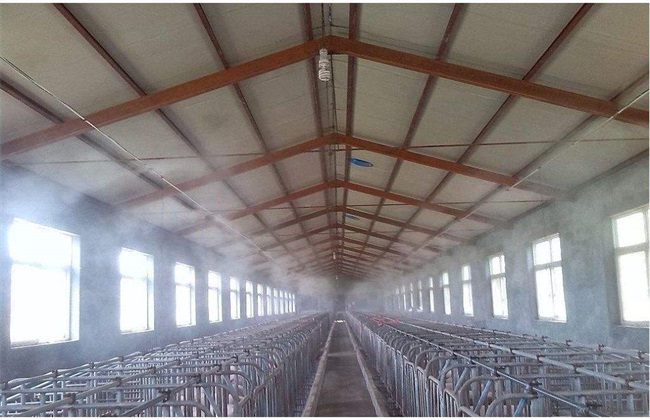
Before raising pigs, the inside and outside of the pig farm must undergo a unified disinfection treatment, with comprehensive spraying of drugs, including bactericides, insecticides, and so on. Debris and garbage in the pig farm must also be cleaned up thoroughly, and the entire site washed. A footbath disinfection pool must be set up at the entrance of each pig farm to disinfect personnel entering the pig farm and prevent them from carrying pathogens. In addition, when staff are working or outside visitors are touring, they all need to wear disinfected work clothes and receive ultraviolet irradiation before entering. The pig farm must be cleaned regularly every day, and excrement must be disinfected before being discharged from the pig farm to avoid causing water source pollution. All kinds of feeding utensils, feed, and artificial medical tools all need careful disinfection.
IV. Injecting vaccines
Regularly inject the herd with vaccines for various commonly occurring diseases. Generally, vaccines need to be injected according to different injection times and different injection doses. Some need to be injected several times, while others need only one injection. The specific operational details can all be learned in detail when purchasing the medicine. After injecting vaccines, a record and mark must be made for each pig to avoid forgetting or mistakenly injecting multiple times. The health status of the pigs must also be recorded. After vaccine injection, pay attention to whether the herd shows any abnormal resistance reactions to the vaccine. If an emergency occurs, treat it promptly. Be careful to buy vaccines from licensed manufacturers and do not buy vaccines prohibited by the state.
The work of epidemic prevention in pig farming is basically the above content. I hope it can provide everyone with some help. If there are incomplete areas, you can study them on your own in practice and accumulate experience. This will better ensure that the epidemic prevention work on the pig farm is in place and avoid omissions.