Methods and Tips for Mosquito and Fly Control in Pig Farms in Summer
Summer is the peak season for mosquito and fly activity, and whether it is people or pigs, they will all be seriously disturbed. Especially for pigs, mosquitoes and flies are very harmful to pig growth and can also have a great impact on farming profits. Therefore, in summer we must do a good job in mosquito and fly control to ensure the healthy growth of pigs. So how exactly should it be done? Let's take a look together below!
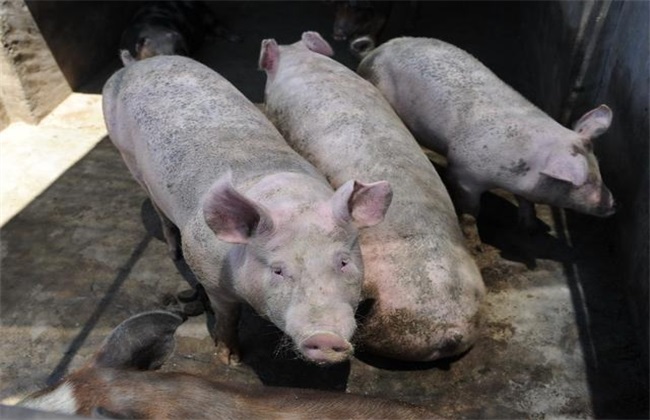
1. Strengthen sanitation management
Sanitation management on pig farms is very important, and many farmers often neglect this issue when raising pigs. They do not clean up excrement in time, and feed is scattered everywhere. This provides excellent conditions for mosquitoes and flies to breed. Drainage ditches, weeds and various other environments can all lead to massive breeding of mosquitoes and flies, affecting pig growth. Therefore, when farming, we must regularly clean up the excrement in the pig barns and remove some leftover feed. Then do a good job in cleaning drainage ditches and weeding, which can effectively inhibit the growth of mosquitoes and flies.
2. Strengthen mosquito prevention measures
When building pig barns, we should pay attention to installing mosquito nets on windows and vents, which can effectively prevent mosquitoes and flies from invading. However, we should also pay attention to the density of the screens to ensure that air in the pig barns can circulate, preventing a decline in air quality. Then do a good job in trapping and killing by using fly-killing agents and other drugs and spraying them comprehensively inside the pig barns. However, we should also pay attention to the choice of fly-killing agents, ensuring both that they can kill mosquitoes and flies and that they do not affect the pig herd.
3. Plant-based repellent and killing
We can also use plant-based repellent and killing for mosquito control. Planting some pungent plants such as mint around the pig farm can achieve the purpose of repelling mosquitoes through the substances they release. In addition, we can also mix some mint leaves with water to form a juice, then spray it inside the pig barns to drive them away. Also, plants such as mugwort and pitcher plants can be planted; the mosquito-repellent effect of burning mugwort smoke is very good, and it can also reduce the smell inside the pig barns, achieving two goals at once.
4. Pesticide mosquito prevention
Pesticide mosquito prevention is the simplest and most direct method of mosquito and fly control. Various pesticides such as trichlorfon and amitraz can be used for spraying inside the pig barns. It can not only repel mosquitoes, but also kill other pests inside the pig barns. Spraying should be done around and outside the pig farm every day, and then spray once inside about every 7 days. However, it should be noted that spraying must not be done on places the pigs can lick, such as the pig herd and water and feed troughs, to prevent poisoning from accidental ingestion by the pigs.
5. Mosquito-killing lamps
Farmers with the conditions can set up some mosquito-killing lamps inside the pig farm. The main principle of mosquito-killing lamps is to use the phototaxis of mosquitoes and flies to attract mosquitoes nearby and then suck them into the mosquito bag. The position of the mosquito-killing lamp should be kept at about 1.8 m above the ground. When using mosquito-killing lamps, attention should be paid to turning off other light sources inside the pig barns to prevent reducing the light source of the mosquito-killing lamp and causing a decline in the mosquito-killing effect.
The above is a brief introduction to how to control mosquitoes and flies in pig farms in summer. Mosquito and fly control on pig farms is very important. If control is improper, at best it will affect pigs' weight gain, and in severe cases it will lead to pig death, so everyone must pay close attention. That is all for today's introduction. This article is for reference only. Thank you for reading and your support.