A Detailed Guide to Practical Techniques for Disease Prevention and Control in Marble Goby
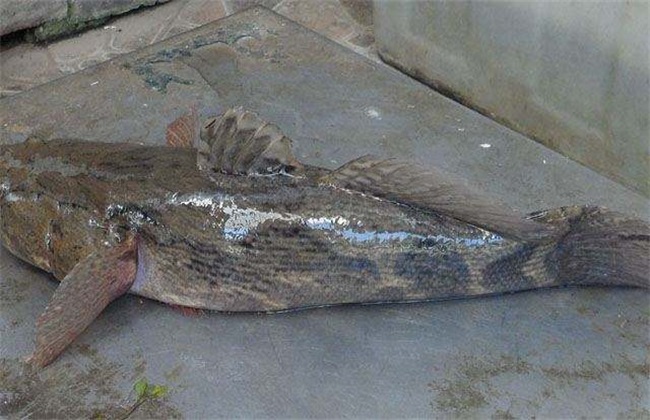
Marble goby is now a relatively common fish, and there is a certain amount of farming area for it in China. The prospects for farming marble goby are very good, but various problems often arise during farming, and diseases of various kinds are the most common. Diseases harm the growth of marble goby to varying degrees and seriously affect farming profits. So today, the editor brings you some tips for disease prevention and control in marble goby farming. Let's take a look below!
1. Water quality management
When farming marble goby in ponds and other farming environments, the main reason for the high incidence of disease is poor water quality. Marble goby has relatively high requirements for water quality, and doing a good job in water quality management is an important measure for increasing the survival rate of marble goby. When preparing the pond, first remove the mud at the bottom, reduce the content of various gases, keep the pH value at around 7.5, and use agents such as strong chlorine to disinfect the pond. After filling with water, splash copper sulfate and similar substances into the pond to eliminate algae, inhibit the growth of cyanobacterial blooms, and prevent the release of too many toxins, which would cause the death of marble goby. Finally, maintain transparency of about 50 cm, then prepare equipment such as aerators, change the water regularly, and ensure water quality.
2. Parasitic diseases
Disease characteristics
When farming marble goby, the most common disease is parasitic disease, with anchor worms as an example. Anchor worms parasitize under the fins and gills of the fish, and they can be clearly seen when the diseased fish is scooped up. In the early stage of disease, there are not very obvious symptoms, but the parasites bite the fish's skin, leading to infection with various external diseases. In the middle and late stages, the diseased area becomes swollen, purulent, and shows various other signs, eventually causing the death of the diseased fish. If no timely treatment is made or if deworming is improper, although it will not cause immediate death, the deaths will last a long time and have a great impact on farming profits.
How to prevent and control it
Marble goby has very strong drug tolerance, and even when using a drug at twice the standard dose, it will not harm marble goby. Therefore, when preventing and controlling parasites, all kinds of insecticides can be used. However, because marble goby is a bottom-dwelling fish, we should control the amount of insecticide according to water quality, and it is best to keep the pond water in a flowing state. After the first use, use it again at an interval of about one week. It is necessary to maintain regularity and deworm over the long term in order to achieve an obvious deworming effect.
3. External diseases
The scales of marble goby exist in a barb-like form. During capture and transport, marble goby are very likely to rub against each other, causing surface injuries and infection that leads to disease. This is also the main reason for the low survival rate of marble goby. When transferring to a farming site and stocking large-sized fingerlings, first disinfect the wounds of the injured fish. Soak them in a solution such as potassium permanganate for about one hour, then keep them temporarily in disinfected water for about 40 hours. Change the water once every day, ensure sufficient dissolved oxygen, and only stock the fingerlings after the surface wounds have gradually healed.
The above is a brief introduction to techniques for disease prevention and control in marble goby. After farming enters summer, the high-temperature and high-humidity environment makes it very easy for pathogens to breed. Therefore, we should also regularly use quicklime powder to disinfect the entire pond, creating a sterile and good living environment for marble goby. That is all for today's introduction. This article is for reference only. Thank you for reading and supporting us.