Koi grading standards: how to assess body shape and color when selecting
In terms of color, it is the most intuitive aspect of koi. When selecting, the best ones are those with bright, vivid colors, clear patterns, neat edges, and dazzling luster. As for the pattern, you can choose according to personal preference....
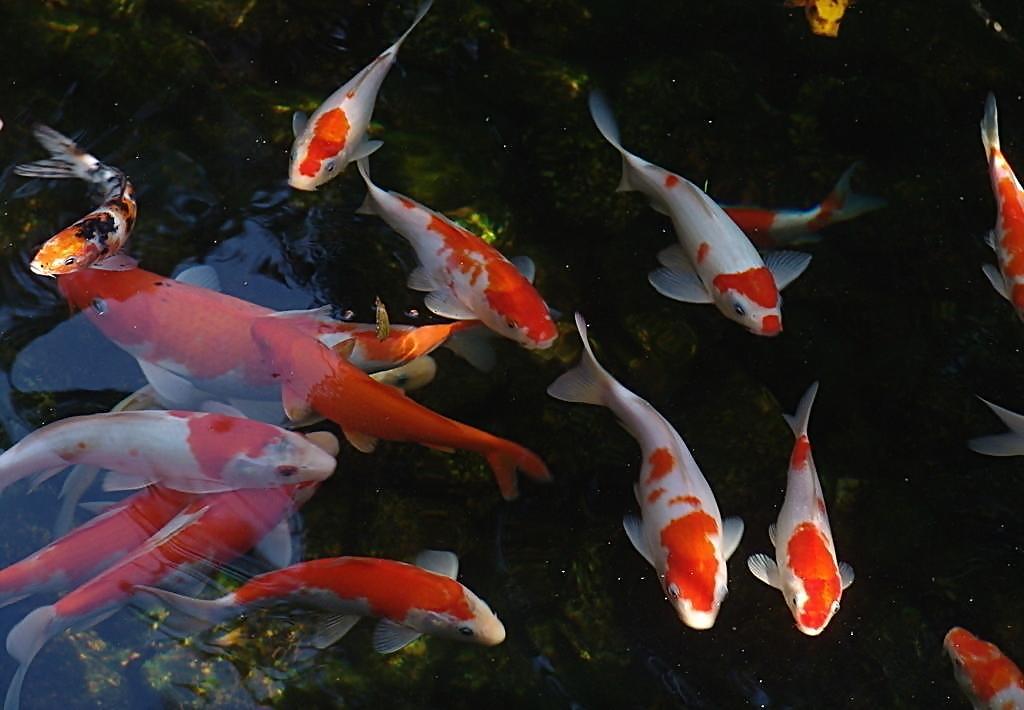
Although the standards for judging whether koi are good or bad are man-made, with people deciding according to their needs what counts as good and what counts as bad. But koi are fish, they are living creatures, they are an unstable hybrid variety, and they are also living works of art. Their patterns are endlessly varied, and theirs is also a dynamic beauty. So depicting the beauty of swimming is not an easy task. The beauty of swimming and the beauty of stillness can be said to be entirely different.
For example, a Lightning Kohaku may look very beautiful in a photo, but when it swims, its swimming posture may not be very attractive, so it cannot be called a perfect good fish; while a Menkaburi Kohaku, although slightly lacking in stillness, matches very well when swimming and is very beautiful, so it can still be regarded as a very good living work of art. Since koi are constantly swimming, a beautiful swimming posture is very important.
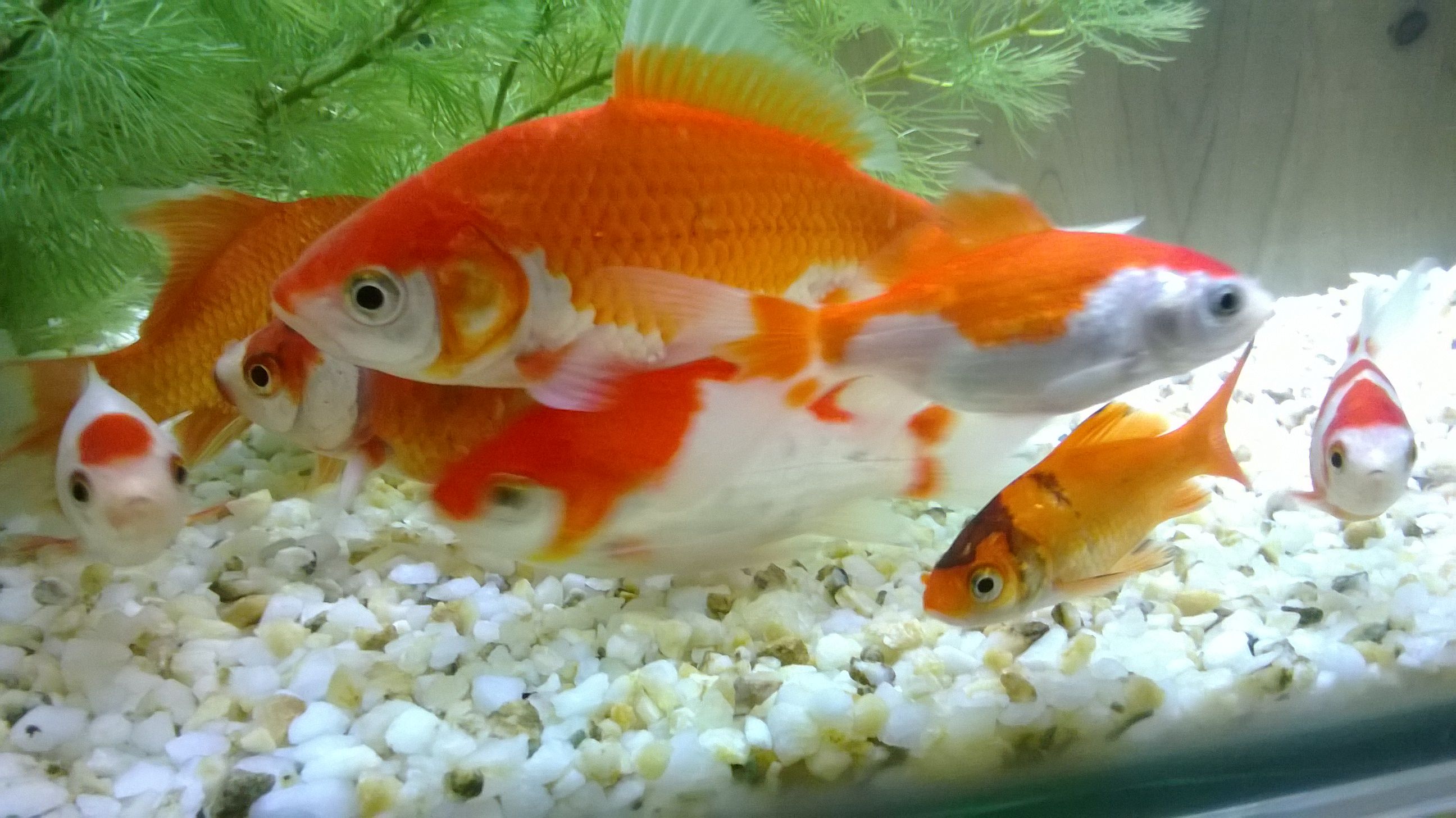
In the selection of parent fish, color quality and pattern are given priority, and when comparing color quality with pattern, color quality should be given even higher priority. It is best to choose large fish of 80-90 cm.
When judging the quality of small fish of 3-10 cm, it is generally rather difficult. If they are over 15 cm, it becomes somewhat easier. Specifically, for varieties with red markings, in fry of 3-10 cm, the red patches are not very obvious, and some may even show color bleeding. In poor-quality fish, the red patches on the body will still change and may fade. This is especially true for red patches on the rear half, which often disappear after growing to a certain extent, leaving a white base and turning the fish into an inferior one. Small fish with indistinct red patches are of poor quality. Even if they grow very large, they should not be kept for further rearing and should be culled in due course.
For fish from the same spawning raised under the same conditions, deeper color is better than lighter color.
For young fish of the current year, it is relatively difficult to distinguish and judge the quality, but you must look at the luster of the red patches. This kind of silky, bright, high-quality red patch is not easy to fade and belongs to superior quality; if the surface is rough, the color uneven, and there is no certain thickness, such red patches also fade easily, and fish of this quality should be culled.
When selecting Kohaku, first choose those with large markings on the head. First, on the head of the small fish, you must see the edge of the red patch, the white of the mouth must be exposed, or there must be a broken pattern after the mouth, and this must be very clear. If you can see that kind of red patch, it will have future potential. The red patch should not cover the eyes; both eyes must be visible, just as if the red patch were placed on top of the head. This can already be seen very clearly at the fry stage, and the red must also have thickness. If the head markings are loose and lacking individuality, they can be culled. Next is having a shoulder split, that is, the red patch behind the skull must have a split, even if it is only a very small, slight break, otherwise it will not be the makings of a high-quality fish.