How Often Should You Change the Water for Koi? Solutions for Koi Lying on the Bottom of the Tank
Click the green icon above to hear Chenchen's acoustic guitar sing
Recently, in the backend of our official account, many fish keepers asked the same question, and that is,koilying on the bottom of the tank, what should you do? In the process of keeping koi, koi lying on the bottom of the tank is relatively common. Koi lying on the bottom of the tank does not necessarily mean there is something wrong with the koi; sometimes it is just a normal physiological reaction, and sometimes it may be caused by water quality, fish disease, and other reasons. Therefore, we must first analyze exactly what is causing the koi to lie on the bottom of the tank, and take the correct measures for different cases of lying on the bottom of the tank.
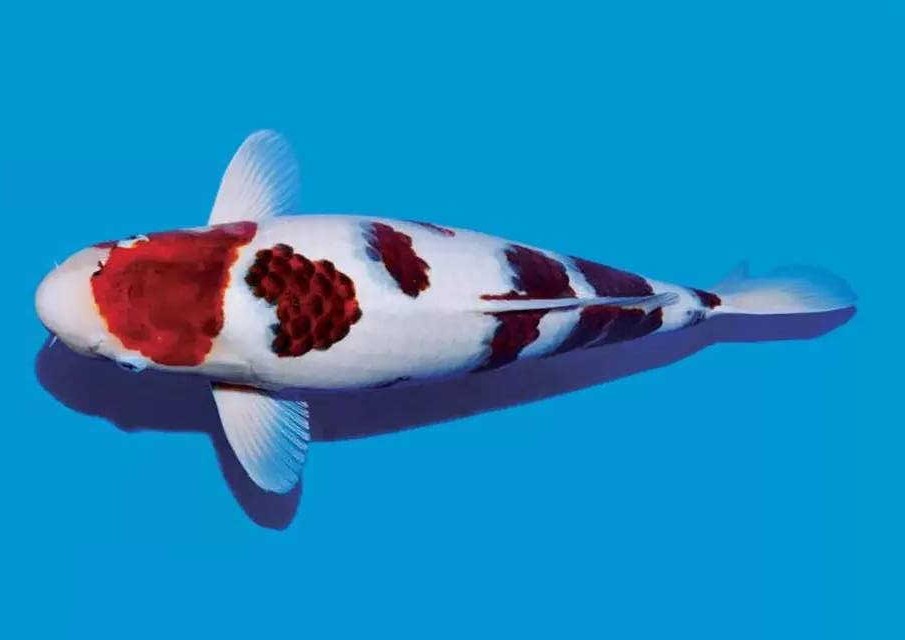
The beloved koi of WeChat group fish keeper "Taizi"
I. Koi lying on the bottom of the tank caused by water quality
Koi lying on the bottom of the tank caused by water quality is mostly caused by large fluctuations in the water quality for keeping koi. This mainly refers to large fluctuations in various indicators in the water quality for keeping koi.
When changing water, many fish keepers change the water too quickly, or replace and clean a large amount of filter media, causing the koi to be unable to quickly adapt to the new water quality, which can also be described as koi lying on the bottom of the tank caused by stress reaction.
In addition, koi lying on the bottom of the tank can also occur after changing the water in an old-water tank. If the pH in the water quality exceeds the standard, it will also cause koi to lie on the bottom of the tank. So-called exceeding the standard means that the pH value of the water in the fish tank exceeds or falls below the pH value suitable for koi. Of course, when adjusting the pH of the water quality, it is best not to exceed 0.4; if it exceeds 0.4, koi lying on the bottom of the tank can also easily occur.
Solutions:
1. Pay attention to filtration and sterilization, keep the filter running all day, and cultivate nitrifying bacteria well, then the water quality will become clear.
2. The stocking density of koi must not exceed the carrying capacity of the filtration system, so as to avoid water quality deterioration.
3. If medication is used, generally do not medicate the whole tank, as it will pollute the water quality.
4. Change water.
(1) Partial water change
Release 1/3-1/2 of the volume, then directly add new water. This can stimulate the appetite of the fish and partially improve water quality. This is one method of water quality maintenance when keeping koi.
(2) Complete water change
The stabilization time of koi water quality is closely related to water temperature, so when changing water, the old and new water temperatures must be kept balanced, and the temperature difference should be controlled at 1-2°C.
II. Koi lying on the bottom of the tank caused by new koi not adapting to the environment
If newly introduced koi have not been properly acclimated to the water, that is, if they have not completely adapted to the water quality of the new environment, and are then placed into the fish tank, it will cause the koi to lie on the bottom of the tank.
If the keeper's fish tank already contains koi that have been kept before, and the newly introduced koi have adapted to the new water quality environment after water acclimation, but they do not know the organisms in the fish tank and are unfamiliar with the oldkoigroup they will live with in the new environment, they will also take on a motionless, lazy posture, which will result in lying on the bottom of the tank.
In addition, if newly introduced koi are not disinfected and sterilized, cross-infection after entering the tank can also cause koi lying on the bottom of the tank due to new fish not adapting to the environment.
Solutions:
1. Disinfect and sterilize the fish tank
Whether it is a new tank or an old tank, disinfection is needed.
2. Soak the tank
The main purpose is to check whether the fish tank leaks, and incidentally also remove the smell of glass. Generally, a new tank should be soaked with potassium permanganate for more than 24 hours. It should be noted that when soaking the tank, the fish tank should be filled with water.
3. Cultivate water
During the water cultivation period, the filter media, water pump, and air pump in the filtration system should be fully equipped, and the air pump should be kept running 24 hours a day. In winter, turn on the heater and adjust the temperature as much as possible to a temperature suitable for koi.
To cultivate nitrifying bacteria, strong aeration is needed. At this time, you can begin to put in test fish to cycle the tank and observe the reaction of the test fish. At the beginning, it is possible that they are not adapted to the environment, and the test fish will swim around wildly. This is normal, just wait patiently. Wait until the water becomes cloudy and then becomes clear again. This takes about one week to 10 days, gradually establishing the nitrification system.
During this period, it is normal for the test fish to possibly die. It is best to persist in changing the water twice a week. Once the water is seen to become clear, you can introduce the koi you like. As long as the temperature is suitable, the water quality is maintained well, and the environment is comfortable, after a few days of adaptation, the koi will no longer lie on the bottom of the tank.
III.Koi diseasecausing lying on the bottom of the tank
The more common ones include sleeping disease, koi cold, koi internal parasites, intestinal problems, and so on.
1. Sleeping disease
The koi appear to turn over as if asleep. The belly can be seen, swimming stops, and swelling and sunken eyeballs may also appear. This may be because the koi have become fatigued due to rapid environmental changes, relocation, long-distance transport, and so on, or chronic nutritional imbalance. When moving koi from a fish pond/farm/pond to an overwintering pond in winter, sleeping disease may appear and cause koi to lie on the bottom of the tank.
2. Cold
When the water temperature of the koi pond/tank changes too much, it will cause the koi to catch a cold. Koi with a cold will show contracted pectoral fins and slow swimming; in the middle stage, the whole body fins will contract; in the later stage, they will begin to swim alone, float in the corner of the fish tank, or lie on the bottom of the tank, and the body may also be accompanied by symptoms such as congestion and blood streaks.
3. Parasites/intestinal problems
At first, both will show the phenomenon of koi lying on the bottom of the tank. When koi have internal parasites, this is different from external parasites; they cannot get rid of some parasites by rubbing against the tank. Internal parasites will cause internal problems in koi, similar to intestinal problems, resulting in indigestion, thin body, unwillingness to swim, and lazily lying on the bottom of the tank.
There are also other koi diseases. Although the fish may swim in the early stage, if it reaches an advanced and severe stage and is still not treated, lying on the bottom of the tank will likewise occur.
Solutions:
1. Koi cold
When changing water, it must be done slowly, and the water temperature difference must be kept at 2-3°C. The most important thing is to actively prevent water temperature differences caused by seasonal transitions. As long as the water quality changes are not too large, koi generally will not catch a cold.
2. Bacterial infection
Avoid injury to koi, and also maintain good water quality. When feeding, also pay attention to small frequent meals to avoid enteritis. Also, when feeding live food, be sure to sterilize and disinfect it. These are all sources of bacteria. As long as they are controlled, koi will not develop bacterial infections, and naturally will not show the phenomenon of lying on the bottom of the tank.
3. Cross-infection
For newly introduced fish and at seasonal transitions, use insecticide prevention; enhance water flow, maintain clean and stable water quality, and reduce irritation to gills or body surface tissues; reduce opportunities for parasites to infest. Sick fish must be isolated for treatment to prevent infection.
4. Parasites
Cultivate the water well before keeping fish. When selecting fish, be sure to observe carefully and do not buy sick fish. Also change water frequently, and the stocking density of koi must not be too high. There must also be a complete filtration system. Only in this way can parasites be avoided and prevent koi from lying on the bottom of the tank.
IV. Koi lying on the bottom of the tank caused by winter dormancy
First, to be clear, koi do not hibernate. It is only because in winter the water temperature is too low, which slows down the metabolism of koi, so they do not move much. Koi are cold-water fish, and the lowest water temperature they can adapt to is 2 degrees. As long as the water temperature is below 10 degrees, koi do not move much. At this time, the performance of koi is inactivity, and they often lie on the bottom of the tank. This is a normal physiological reaction and can accumulate energy for koi. Also, in the case of a fish pond, the water temperature at the bottom of the pond is higher than the temperature at the surface, which is beneficial for the survival of koi. In the case of a fish tank, the difference is not great.
If the water temperature is too low, koi will not only feed inactively and excrete less, but may also lie on the bottom of the tank. These are very normal, so there is no need to worry.
Solutions:
Solving the problem of lying on the bottom of the tank in winter is very simple, and that is to add heat. Once the temperature reaches the most suitable temperature for koi, the koi will no longer lie on the bottom of the tank. In addition, at low water temperatures, koi will lie at the bottom of the fish pond/tank for a long time, and the belly of the fish will constantly rub against the bottom of the pond, causing abdominal congestion and ulceration. Therefore, if the weather in the north is too cold, it is best to equip a heater.
Note! Beware of the newcomer "causing trouble"
What should you pay attention to when medicating koi?
The things you must do every day when keeping koi, how many have you done?
No problem! This is how koi should be fed in spring!
Learn all 13 koi strains in one article (photo explosion incoming)
。