What are the environmental requirements for farming black-spotted frogs? A quick guide
The black-spotted frog is actually what we call the frog in everyday life. The black-spotted frog is a beneficial creature that can feed on pests. Therefore, the state has explicitly banned the catching of wild black-spotted frogs. As a result, the black-spotted frogs on the market today are mainly from artificial farming. However, when farming black-spotted frogs, the environment is also very important. So today, the editor brings you the environment needed for farming black-spotted frogs. Let's take a look below!
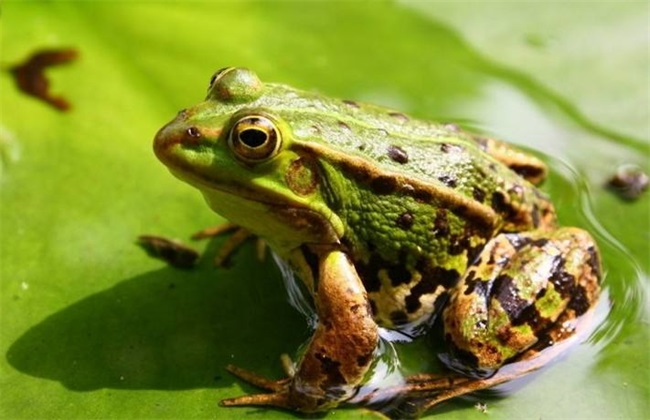
1. Water quality
Water quality is very important for the growth of tadpoles, especially during the tadpole stage, when the quality of the water directly affects their survival rate. We must ensure there is sufficient dissolved oxygen in the water to promote tadpole growth and ensure the tadpoles can successfully metamorphose. When farming black-spotted frogs, the water quality standards should follow fishery water quality standards. Although adult frogs also breathe with their lungs, sufficient dissolved oxygen will also greatly help their growth. Then the pH value of the water should be controlled at around 7.5, and the salinity should usually be kept below 2.
2. Temperature
Temperature also has a very large impact on the growth of black-spotted frogs. The suitable temperature for the growth of black-spotted frogs should be controlled at around 25 degrees. The temperature should not be too high or too low. If the temperature is below 10 degrees, the black-spotted frog's vitality declines, and its food intake also decreases significantly. If it is below 5 degrees, then the black-spotted frog will begin hibernation. If the temperature exceeds 30 degrees, it will likewise reduce the black-spotted frog's vitality. When it is even higher, it will cause the black-spotted frog to gradually die. Therefore, when farming, we must pay attention to the temperature environment of the farm. It is best if it is warm in winter and cool in summer, and artificial temperature control should also be done well.
3. Humidity
Humidity, that is, water. The growth of black-spotted frogs is certainly inseparable from water. The skin structure of the black-spotted frog is rather special. It has no structure that can prevent water evaporation, so it can only rely on the mucus secreted by the skin surface to maintain surface humidity. However, this alone is certainly not enough, so when choosing a farming site, we must ensure there is sufficient water around and that the water quality is clean enough. When farming, it is best to create a warm, humid, and weed-rich wild-like environment for the black-spotted frogs to ensure their growth.
4. Light
The growth habits of the black-spotted frog are rather strange. It generally does not move during the day, and after the sun goes down it gradually comes out to forage. So it can be seen that the black-spotted frog is rather afraid of sunlight and can only tolerate a little scattered light. However, farming black-spotted frogs also requires providing a certain amount of light to promote their growth, increase the reproduction rate, and strengthen metabolism. If the black-spotted frog stays in a dark environment for a long time, it will seriously affect the development of the frog's gonads. The maturation time will be delayed, and in severe cases it will cause the black-spotted frog to stop producing sperm and eggs.
The above is a brief introduction to the environment needed for farming black-spotted frogs. Environmental control in farming black-spotted frogs is very important and affects their growth, so everyone must pay close attention. That is all for today's introduction. This article is for reference only, and we hope it can be helpful to everyone.