How to raise marble goby? Detailed explanation of farming techniques
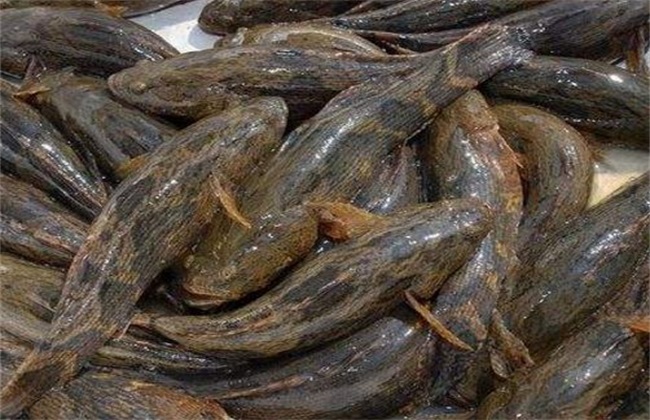
Marble goby is a fish belonging to the family Eleotridae (sleepers), and it is also a tropical fish, with a very large farming area in the tropical coastal regions of China. Marble goby has a very high protein content and also contains a variety of amino acids, and its food value and health benefits are both relatively high. So if you want to farm marble goby, how should you go about it? Below, the editor brings you the farming techniques for marble goby. Let's take a look!
1. Pond conditions
To farm marble goby, the first thing you need to do is the preparatory work on the pond, controlling the farming area according to your own funds, conditions and other actual circumstances. The silt in the pond should not be excessive, kept at a thickness of about 10-15 cm. The pond must be thoroughly disinfected, sprinkling quicklime powder over the whole pond, then drying it in the sun for about a week before filling with water. The water level of the pond should be kept at about 150 cm, and the pond must have good water exchange conditions, with clean water quality and sufficient water supply around it. Then you can place some floating objects on the water surface and some tubular objects at the bottom.
2. Stocking of fry
The scales of marble goby differ from those of other fish, being comb-toothed in shape. If the fry are too large in size, they are extremely prone to skin damage during transport, leading to disease infection, and in severe cases causing the death of all the fry. So when selecting marble goby fry, we must pay attention to controlling the size, keeping it at about two cm. After arriving at the destination, keep the fry in temporary holding for about two days. Wash them with a solution such as potassium permanganate for about one hour, then wash them with a preparation such as povidone-iodine for 45 hours of temporary holding, to disinfect them and prevent them from carrying pathogens. Then release the fry at the appropriate time, with the number per mu controlled at about 2,500.
3. Feed feeding
Marble goby is a carnivorous fish, and its requirements for feed differ at different ages. During the fry stage, it mainly feeds on various plankton such as rotifers. Then when it grows to about 3 cm, you can begin feeding some small fish and shrimp, and you must pay attention to the size of the feed, which should not be too large. Some plankton should also be properly cultivated in the pond. After being transferred to a large pond for farming, the feed is likewise mainly various fish fry and shrimp fry. Feed about twice a day, in the morning and evening, controlling the feeding amount according to the fish's body weight, keeping it at about 3%.
4. Daily management
Marble goby has a relatively strong tolerance for low oxygen. If the farming density per mu does not exceed one thousand kg, then there is no need to prepare an aerator. However, water quality must be ensured, and the water quality must have relatively good fertility so that plankton can be cultivated. During farming, the water must be changed regularly, and then about 6-8 kg of quicklime per mu should be sprinkled each month for disinfection. After passing through the fry stage, put some silver carp and crucian carp into the pond for mixed farming. This can effectively improve water quality, promote the growth of marble goby, and reduce farming costs.
The above is a brief introduction to marble goby farming techniques. When farming marble goby, we also need to do a good job in preventing diseases and parasites, such as anchor worms and gill rot disease, all of which require our special attention. That is all for today's introduction. This article is for reference only, and we hope it can help everyone!